
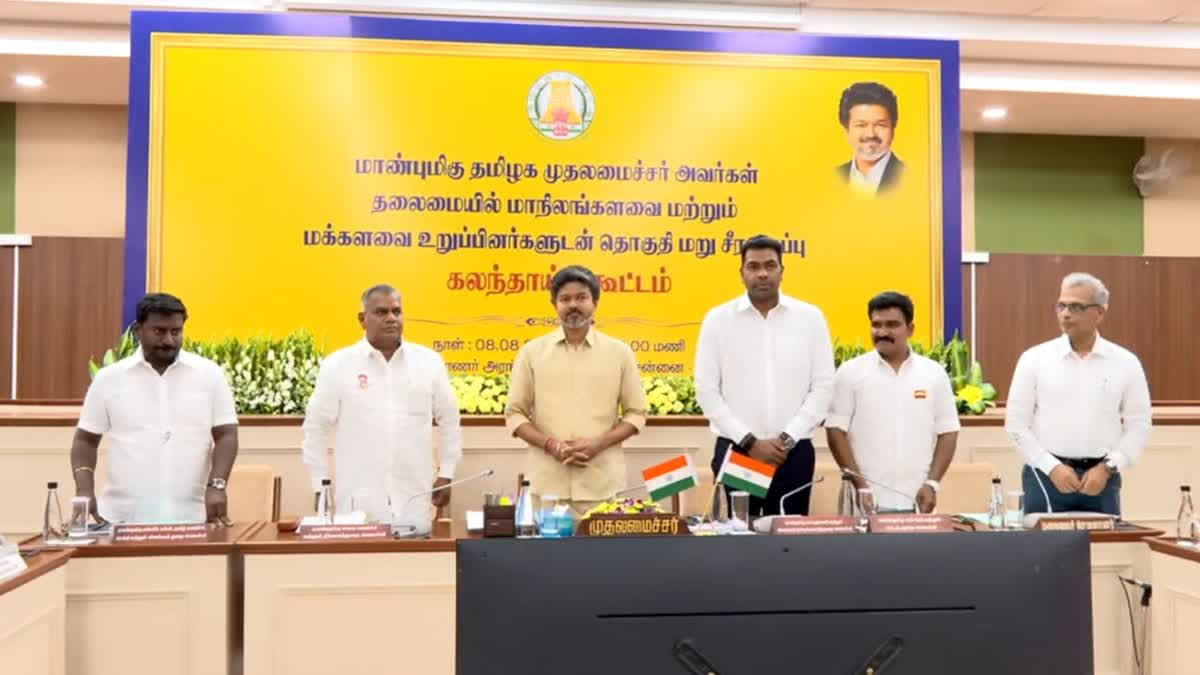
The Constitution (131st Amendment) Bill, the Delimitation Bill and a Union Territories Laws amendment were introduced in a special three-day session of Parliament that began on 16 April 2026. The package would raise the strength of the Lok Sabha from 543 to about 850 seats, use the 2011 Census to allocate constituencies, and lift the freeze on constituency sizes. It would also make the 33 percent reservation for women in the Lok Sabha and state assemblies, passed in 2023 but delayed pending delimitation, ready for use before the 2029 election. The bill failed to secure the required two-thirds majority in the Lok Sabha, with 298 votes for and 230 against.
The argument for the bill is that women’s reservation cannot move forward without it. The 2023 law’s implementation was linked to delimitation, and the government says the exercise is needed to apply the 33 percent quota before the 2029 election. A larger House would also reduce the population represented by each member, which has grown since the freeze on seats. The government wanted to hold a second special session of three days from 16 August to push the package through, according to a report, and was working to secure the two-thirds majority needed for a constitutional amendment. The opposition has said that it supports women’s reservation in principle.
The counter-argument is that the delimitation provisions are the problem. The INDIA bloc has said it will vote against them, calls the government’s approach politically motivated and says it is using the women’s quota to force delimitation. It wants the exercise postponed until Census data, which are expected in 2027, are available, instead of using the 2011 Census. Opposition parties from southern states warn that states with stable population growth could lose influence to more populous northern states such as Uttar Pradesh and Bihar. The DMK has planned protests and raised concerns about federal balance, and Congress president Mallikarjun Kharge has said there is no clarity on the census. The 54-vote shortfall in April shows that the government cannot pass the bill without opposition support. It is not clear whether an August session took place.
The question reaches into the structure of Indian democracy. Delimitation decides how much weight each state has in Parliament, and the south has argued for decades that it should not be penalised for controlling population growth. At the same time, millions of women are waiting for a reservation that has already been passed into law but cannot yet be used. The dispute therefore combines a question of gender representation with a question of federal fairness.
Women make up about half of the electorate, yet the 33 percent quota passed in 2023 has not been applied to any election so far. The government has a popular goal in women’s reservation but a contested method in delimitation. Without a compromise on the census year or on protecting the southern states’ share, the 298 to 230 vote is likely to be repeated. The 2011 Census is the last complete count, and the next one, being conducted digitally in two phases, is expected to give new figures by 2027, which is why the opposition argues that the exercise should wait.

Leave a Reply