
The Union Cabinet, chaired by Prime Minister Narendra Modi, on Wednesday, 14 October 2026, approved the continuation of the National Social Assistance Programme (NSAP) with a total outlay of Rs 53,428 crore for five years, from 2026-27 to 2030-31, according to Upstox, All India Radio, Asianet Newsable and Zee Business. The programme has been renamed the Pradhan Mantri Samajik Sahayata Yojana.
The component schemes have new names. Upstox lists the Old Age Pension as the Pradhan Mantri Vridhavastha Pension Yojana, the Widow Pension as the Pradhan Mantri Vidhawa Pension Yojana, the Disability Pension as the Pradhan Mantri Divyangjan Pension Yojana and the Family Benefit scheme as the Pradhan Mantri Parivar Labh Yojana. The earlier names of the first two included the Indira Gandhi National Old Age Pension Scheme and the Indira Gandhi National Widow Pension Scheme, according to other reports.
The disability pension is changed. The assistance under the scheme will be Rs 375 for those aged up to 79 and Rs 625 for those aged 80 and above, according to Upstox. The benchmark for disability, the level of disability that makes a person eligible, is lowered from 80 per cent to 40 per cent, and the minimum age condition is changed so that eligibility begins from birth. Guidelines for the disability pension changes are to be issued and implemented within three months, according to the report.
The programme covers 3.20 crore beneficiaries across all 36 states and Union Territories, according to the Cabinet decision as reported. The old age, widow and family benefit pensions continue otherwise unchanged, according to Upstox.
The outlay can be put in simple terms. Rs 53,428 crore over five years is about Rs 10,686 crore a year, a division by IndiaX24. Spread over 3.20 crore beneficiaries, it is about Rs 3,340 a year per beneficiary on average, or about Rs 278 a month, which is IndiaX24’s own calculation and treats all the money as going to beneficiaries equally. The figure is only an average and the actual pensions differ by scheme and by state.
The change in the disability threshold is the biggest change in substance. Moving from 80 per cent to 40 per cent means that people with a lower degree of disability can now qualify, which widens the eligible group, although the reports reviewed do not estimate how many more people will be covered. The reports also do not say whether the increase to Rs 375 and Rs 625 applies to those already receiving the pension.
The renaming has political overtones. Two of the earlier scheme names carried the name of Indira Gandhi, and the new names carry the prefix Pradhan Mantri, according to the reports. Renaming of centrally sponsored schemes has been a recurring feature of policy in recent years, but the reports reviewed do not comment on the reason for this change, so IndiaX24 does not do so either.
The Cabinet took several decisions at its meeting, and IndiaX24 has reported on others, including the Rs 10,000 crore SME growth fund and the bonus for railway employees. The NSAP decision is the largest in money terms among those that the reports mention.
IndiaX24 will report on the guidelines for the disability pension when they are issued.
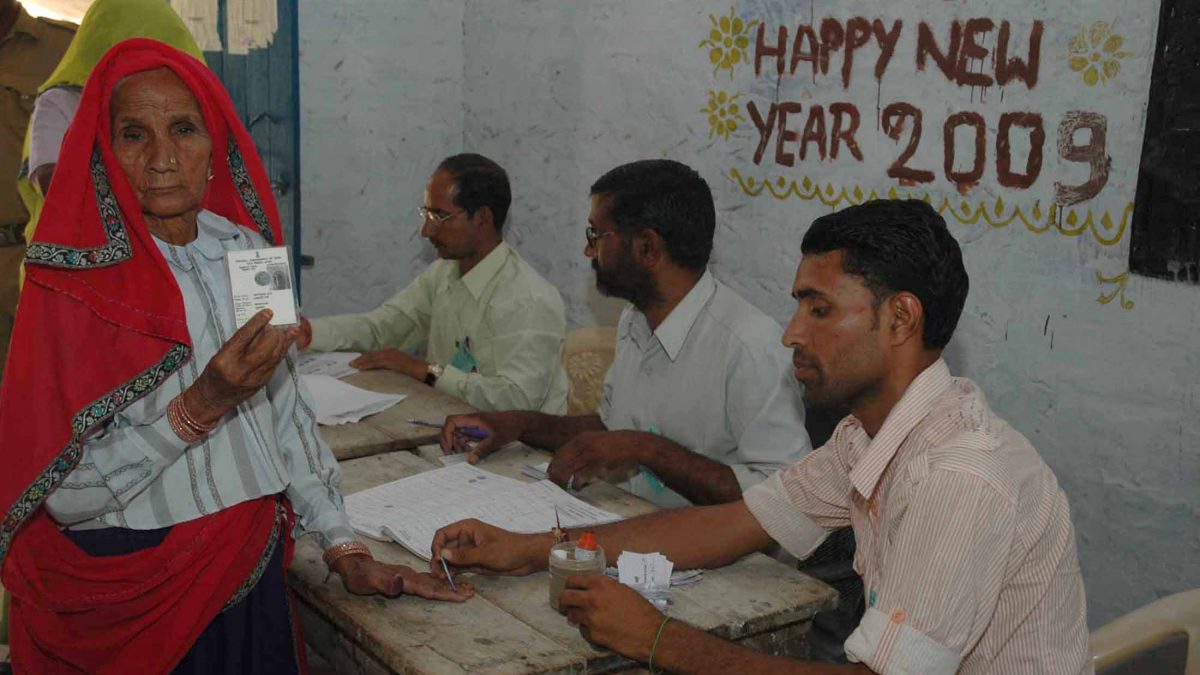
Image: An elderly woman voter at a polling booth (file photo; a stand-in image). Photo by Election Commission of India, licensed under Government Open Data License – India, via Wikimedia Commons.




Leave a Reply