



The Non-Cooperation Movement, launched by Mahatma Gandhi on 4 September 1920, was the first mass campaign of the Indian national movement. It asked Indians to withdraw their cooperation from British rule in a non-violent way. Less than eighteen months later, on 12 February 1922, Gandhi stopped it after a mob at Chauri Chaura in Uttar Pradesh burned a police station and killed the policemen inside.
Quick Facts
| Launched | 4 September 1920 |
| Leader | Mahatma Gandhi |
| Allies | Khilafat Movement |
| Chauri Chaura | 4 February 1922, Gorakhpur district, United Provinces |
| Deaths at Chauri Chaura | 22 policemen and 3 civilians |
| Called off | 12 February 1922 |
Why It Began
The Rowlatt Act of March 1919 suspended the rights of political prisoners in sedition cases and was seen as a betrayal after India’s help in the First World War. The massacre at Jallianwala Bagh on 13 April 1919 and the harsh martial law in Punjab turned anger into resolve. The Khilafat Movement, a campaign of Indian Muslims over the fate of the Ottoman caliphate, gave Gandhi a chance to unite Hindus and Muslims in a common campaign. A special Congress session in Calcutta in September 1920 and the Nagpur session in December adopted the programme.
The Programme
- **Surrender of titles** and resignation from nominated posts in government bodies
- **Boycott** of courts, schools and colleges run by the government, and of foreign cloth
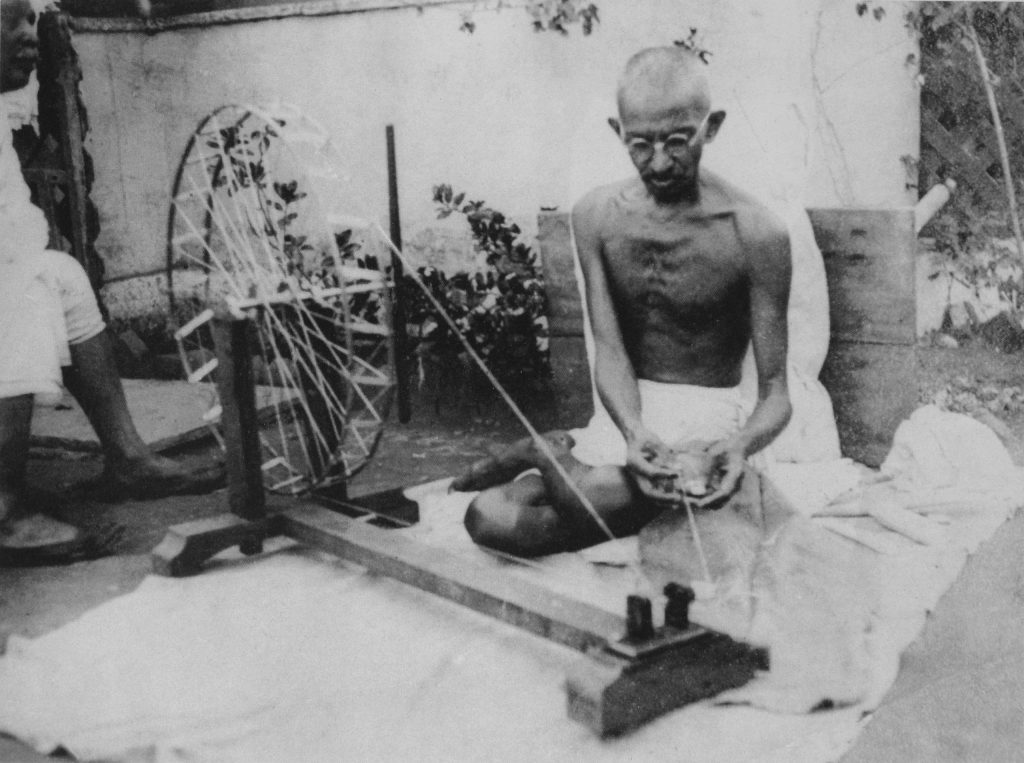
- **Constructive work:** the spinning of khadi, Indian national schools and village panchayats
- **Boycott of the Prince of Wales** during his visit in November 1921, which brought strikes in Bombay and other cities
Lawyers such as Motilal Nehru and C. R. Das gave up their practice, and students left government colleges. Jawaharlal Nehru and his father Motilal were arrested on 6 December 1921. By early 1922 tens of thousands were in prison. The movement marked the passage of the national movement from a middle-class campaign to a mass one.
Chauri Chaura
On 2 February 1922 volunteers protesting against high food prices and liquor sales at Gauri Bazaar in Chauri Chaura were beaten by the police, and some leaders were arrested. On 4 February about 2,000 to 2,500 people marched on the bazaar. The police fired warning shots, then fired into the crowd, killing three. The crowd chased the police back to their station, which was set on fire, and the policemen inside died. In all, 22 policemen and 3 civilians were killed.
Gandhi Calls a Halt
Gandhi was shocked. On 12 February 1922 the Congress Working Committee met at Bardoli and decided to suspend the movement across the country. Many leaders, including Motilal Nehru and C. R. Das, were bitterly disappointed. Gandhi was arrested in March 1922 and sentenced to six years in prison, and released in 1924 after an operation for appendicitis. The British authorities sentenced nineteen of the Chauri Chaura accused to death and fourteen to life imprisonment.
Legacy
The movement ended without winning self-rule, and the Khilafat alliance faded after Turkey abolished the caliphate in 1924. But it had spread nationalism to villages and small towns, and it set the pattern for the later campaigns: the Salt March of 1930 and Quit India in 1942. Read more about its leader in Gandhi’s biography.
Featured image: Mahatma Gandhi spinning on a charkha, the symbol of the movement for self-reliance (file photo). Photo by Unknown authorUnknown author, in the public domain, via Wikimedia Commons.