
West Bengal has joined the Ayushman Bharat Pradhan Mantri Jan Arogya Yojana. According to reports, the state government signed a memorandum of understanding with the National Health Authority in New Delhi on 8 June 2026, and West Bengal thereby became the 36th state or union territory to implement the scheme. The state had earlier run its own health scheme, Swasthya Sathi.
The scheme offers Rs 5 lakh a year in cashless cover for secondary and tertiary hospital care to eligible families. Reports say that about 1.43 crore families in the state are eligible for it. The central scheme’s other features, such as the card and the network of empanelled hospitals, were described in a separate IndiaX24 report on PM-JAY, which at eight years had issued 48.51 crore cards across the country.
What happens to Swasthya Sathi? It was launched in 2016 by the state government, and the reports say that it is to be merged with Ayushman Bharat in phases. Around 6 crore Swasthya Sathi beneficiaries are expected to move to the Ayushman Bharat network over time, according to one summary. The exact terms of the transition, including whether existing Swasthya Sathi benefits will be kept, are not described in the sources reviewed for this article.
The rollout was expected to begin in July 2026, according to the reports. A different account says the state scheme will be integrated to allow national portability, meaning that beneficiaries could in principle receive treatment in hospitals in other states. Portability is one of the features of the central scheme, and it matters for people who work or study away from home.
The numbers show how large the change is. The figure of 1.43 crore eligible families under the central scheme can be compared with the roughly 6 crore people reported as Swasthya Sathi beneficiaries, which suggests that the state scheme has covered a much wider group than the central eligibility criteria alone. How the state will fill that difference is not explained in the sources, and it will be an important point for residents.
West Bengal’s earlier absence from the central scheme had been a feature of the political debate between the state and the Centre for years. The reports here describe the MoU as a formal partnership and do not discuss the political background, and IndiaX24 does not speculate on it.
For families, the practical questions are simple. Who is eligible, how to get a card, which hospitals are empanelled and what happens to existing state cards. The National Health Authority and the state health department are the authorities to confirm these, and residents should check the official portals or the nearest facility for the latest procedure.
A related issue is hospital quality and oversight. IndiaX24 has reported on Andhra Pradesh fining network hospitals under its own health scheme, and similar monitoring will matter in West Bengal. The size of the new network will test claim processing and the capacity of the hospitals.
The decision to join PM-JAY adds a very large state to the national programme, and the next months will show how smoothly the transition from Swasthya Sathi proceeds for patients.
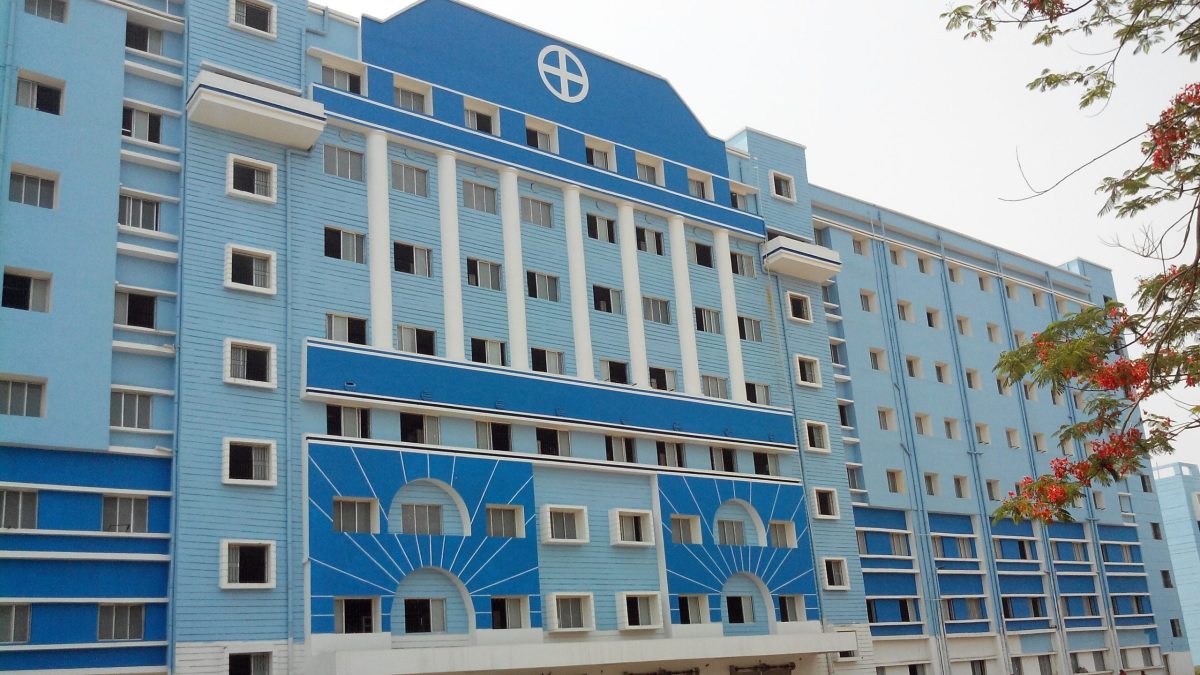
Featured image: Murshidabad Medical College and Hospital in Berhampore, West Bengal (file photo). Photo by Sukdev Paul, licensed under CC BY-SA 4.0, via Wikimedia Commons.

Leave a Reply