
India’s free mental health helpline, Tele-MANAS, has received 47,75,644 calls since it was launched on 10 October 2022, the Union Health Ministry said as it prepared to mark World Mental Health Day on 10 October 2026. The service works round the clock, in several languages, on the toll-free number 14416, and it has 53 operational cells across all 36 states and union territories, according to the ministry’s statement as reported.
This year’s global theme was “Lived experiences heard: real voices, real change”, which stresses listening to people who have lived with mental health conditions and including them in the shaping of policies and services. The ministry said that the service offers free, confidential counselling, emotional support, professional guidance and referral services for concerns including emotional distress, stress related to exams, workplaces and relationships, anxiety and sleep disturbances.
The ministry also published details on who calls. Among 13,35,275 caller profiles that were recorded, 54.18% (7,23,427) were men and 43.78% (5,84,587) were women, and 73.2% of callers were between 18 and 45 years old. The profiles cover only about 28% of all calls on IndiaX24’s arithmetic, since 13.35 lakh is a small share of 47.75 lakh, so the demographic split may not describe every caller.
The helpline is a part of a bigger system. The ministry said that the District Mental Health Programme operates in 767 districts and that 1.83 lakh Ayushman Arogya Mandirs offer integrated mental healthcare. A community awareness initiative called MANN Jaagriti promotes mental health literacy and aims to reduce stigma through schools, colleges, workplaces and health facilities.
One line from the ministry sums up its approach: Tele-MANAS “is contributing to a broader shift towards recognising mental health as an integral part of overall health and well-being”. It is not possible to judge from the call numbers alone how effective that has been, since the figures count calls and not outcomes.
Another IndiaX24 article covers a research project, ICMR-MINDS, which tests how to screen for mental and substance use disorders in people who come to public facilities for other long-term conditions. It illustrates how the health system is trying to reach people who might not call a helpline.
What are the gaps? The sources reviewed for this article do not give the number of calls that led to a referral or follow-up, the waiting time for callers or the number of trained counsellors. Those details would show how well the service is working, and they are the kind of data that independent reviewers ask for. A research paper cited in search results describes Tele-MANAS as an early model for digital public mental health, but it was not reviewed in detail here.
For readers who need help, the helpline is free and available at all hours on 14416. Anyone in immediate danger should contact local emergency services. People who are worried about someone else can also call, and the ministry says that the service is confidential.
The volume of calls shows that there is a large demand for a free, confidential service, and the ministry’s data on callers suggests that the service is reaching mostly adults of working age.
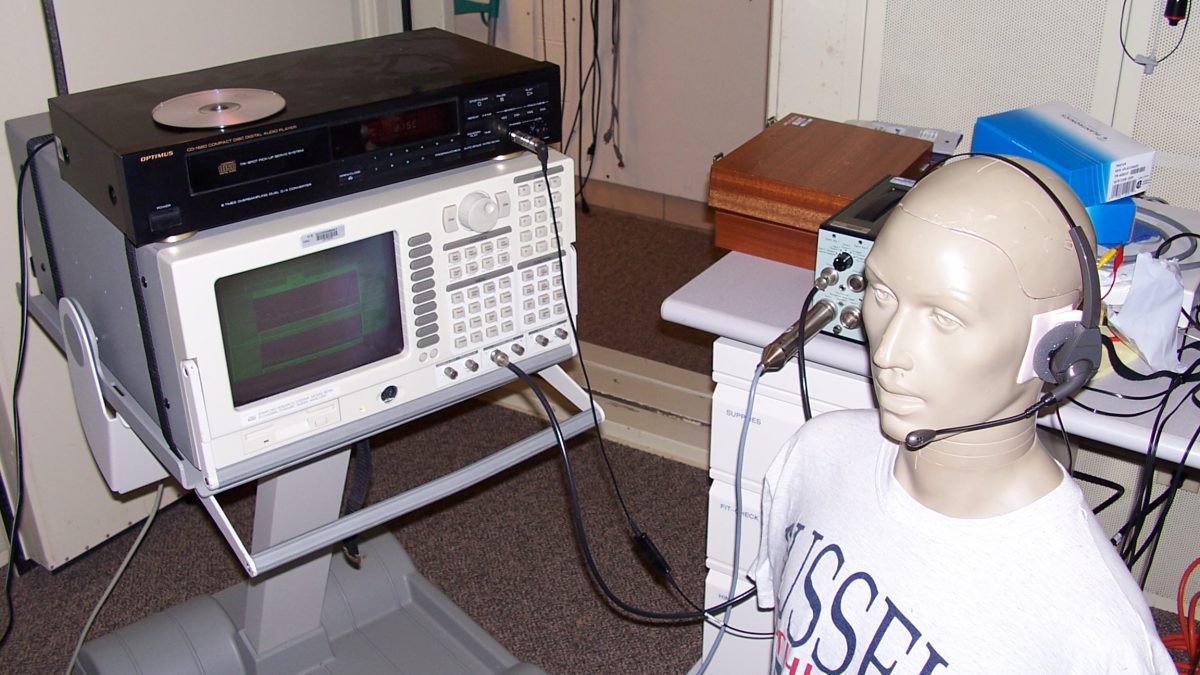
Featured image: A call centre headset (file photo; a stand-in image, not a Tele-MANAS centre). Photo by Chuck Kardous, in the public domain, via Wikimedia Commons.

Leave a Reply