
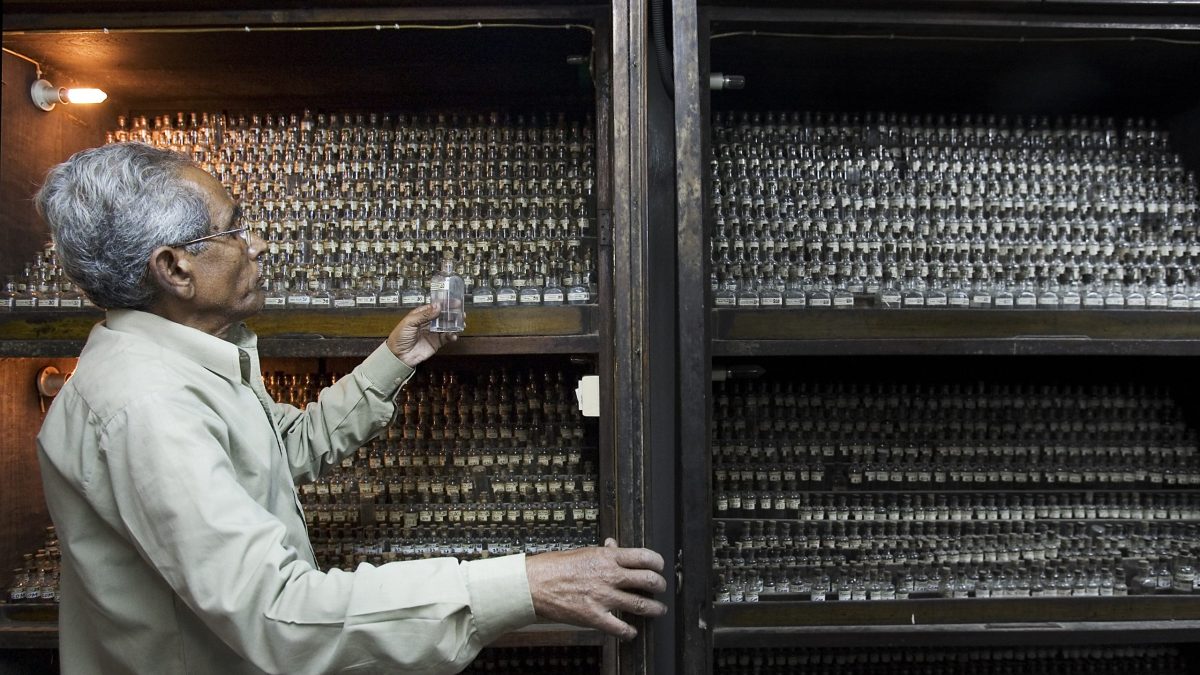
India has made a doctor’s prescription mandatory for all syrup-based medicines. According to a report from The Quint dated 16 June 2026, the Drugs (Fifth Amendment) Rules, 2026 removed the entry for syrups from Schedule K of the Drugs Rules, 1945, which had allowed many of them to be sold without a prescription. The rules were published in the official gazette and took effect immediately, after a draft was issued in December 2025.
The effect is that over-the-counter sales of oral liquid medicines classified as syrups are banned. Solid forms such as tablets and lozenges remain available without a prescription, according to the report. The health ministry’s notification advises manufacturers, distributors and retailers that deal with cough syrups to ensure strict adherence to the licensing and regulatory requirements under the Drugs and Cosmetics Act, 1940 and the Drugs Rules, 1945. The report does not specify penalties.
The reason is a series of child deaths linked to contaminated syrups. The Quint says that at least 22 children died in Madhya Pradesh’s Chhindwara district, while another account says that by 15 October 2025 officials had reported 24 children, mostly under five, dead in connection with a syrup called Coldrif. The sources differ on the count, and later totals may be higher. The contamination was with diethylene glycol, an industrial solvent that is toxic to the kidneys, found above permissible limits.
The World Health Organization issued an alert in October 2025 about contaminated syrups, naming Coldrif from Sresan Pharmaceuticals, Respifresh TR from Rednex Pharmaceuticals and ReLife from Shape Pharma, according to search summaries. The Quint notes earlier incidents linked to Indian-made syrups in The Gambia, Uzbekistan and Cameroon, which raised international concern about the quality of exported medicines.
Other steps followed. A report on the Parliament reply described the licence of a manufacturer being cancelled and more than 700 units being audited after the alert, and a state, Puducherry, banned the sale of three cough syrups in January 2026 over quality concerns. These are described in search summaries and were not checked in full.
What does the rule change mean for people? A parent who used to buy a cough or cold syrup for a child at a pharmacy will now need a prescription. This is intended to put a doctor between the child and the medicine, so that the right product and dose are chosen, and to give regulators a clearer record of what is sold. It does not, on its own, guarantee that a product is free from contamination.
The quality problem is a manufacturing and testing one. Diethylene glycol can enter a syrup when a cheap solvent is used in place of a pharmaceutical-grade ingredient, and detecting it requires testing the raw materials and the finished product. A prescription rule controls who can buy a product, while safety depends on the checks carried out by manufacturers and drug regulators.
Doctors generally advise against giving cough and cold syrups to young children without medical advice, and several countries restrict them for children under certain ages, though the sources reviewed here do not describe such guidance for India, so no specific recommendation is attributed to the health ministry.
The rule marks a significant change in how syrup medicines are sold, and its effect will depend on enforcement at pharmacies and on stronger quality checks at factories.
Featured image: A pharmacy in Varanasi (file photo; a stand-in image). Photo by Jorge Royan, licensed under CC BY-SA 3.0, via Wikimedia Commons.

Leave a Reply