
The National Pharmaceutical Pricing Authority approved in principle a 30% cap on trade margins for identified non-scheduled anti-cancer medicines on 8 October 2026, according to reports from Business Today and others. The cap is calculated on the maximum retail price, and it is expected to cut prices of many cancer drugs by between 20% and 70% depending on how large the current mark-ups are.
The scope is large. The proposal covers 110 anti-cancer drugs, including 35 patented medicines, and applies to domestic and imported products and to branded and generic versions. An expert committee under the Directorate General of Health Services is to finalise the list. One report says implementation is expected later in October, and another report says the NPPA issued the notification, so the status is described differently, and readers should note that the sources refer to an in-principle approval with the final list and formal notification as the remaining steps.
The savings are estimated at Rs 2,500 crore a year for patients. The reason for the cap lies in the current margins: the NPPA’s analysis, as reported, found that non-scheduled anti-cancer medicines had an average trade mark-up of about 170%, with some reaching 700%. Trade margin is the difference between the price at which a manufacturer sells a drug to a distributor and the maximum retail price paid by the patient, so a cap shifts that difference back to the patient.
The decision has a trigger. Business Today reports that the Supreme Court on 29 September 2026 questioned the Centre about cancer drug pricing, noting a case in which retailers bought a medicine for about Rs 2,700 while patients faced a maximum retail price of Rs 27,000. That is a ten-fold gap, and it was the kind of example that drew attention to the issue.
There is a precedent. In 2019 the authority applied a 30% margin cap to 42 non-scheduled anti-cancer medicines, which reduced the maximum retail prices of 526 brands by about 50% on average and generated estimated savings of Rs 984 crore a year, according to the same report. The new measure is much wider in the number of drugs, and it includes patented medicines, which are usually the most expensive.
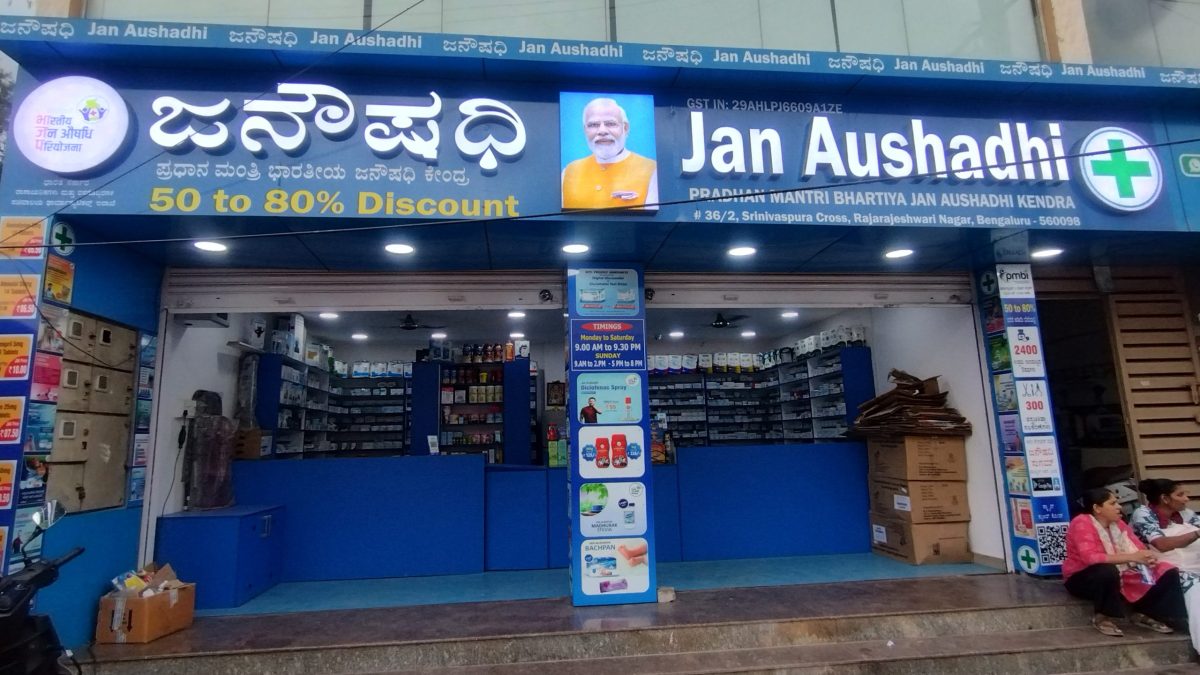
The government has other tools. The report notes that price controls already apply to 131 anti-cancer drugs, together with customs duty reductions and the Jan Aushadhi scheme to improve access to medicines. A trade-margin cap is different from a price ceiling, because it limits what intermediaries may add and does not set the price a company can charge for the medicine itself.
What happens next? The final list has to be approved, the notification has to be issued and manufacturers have to revise the labelled prices. In 2019 the process produced large drops in prices for many brands, but the sources do not say how long the process will take this time. Patients should not expect lower prices at the pharmacy until the formal notification takes effect and stocks with new prices reach the shelves.
Cancer is an expensive disease to treat in India, and the cost of medicines is a part of the burden for families. The government’s PM-JAY insurance scheme covers hospital treatment for eligible families, but outpatient medicines are often paid for out of pocket, so a lower price on drugs can matter even for insured patients, though the sources reviewed do not discuss this link.
The cap, if implemented as described, would be one of the largest drug price interventions for cancer in recent years, and its effect will depend on how it is finalised and enforced.
Featured image: A Janaushadhi store in Bengaluru (file photo, 2026; the Jan Aushadhi scheme is one of the government’s access measures). Photo by Gpkp, licensed under CC BY-SA 4.0, via Wikimedia Commons.



Leave a Reply