
India reported two confirmed cases of Nipah virus in the eastern state of West Bengal since December 2025, the Union Health Ministry said, and later declared the outbreak contained. NBC News reported the ministry’s statement of 28 January 2026, which said that all 196 contacts that had been traced had been quarantined and tested negative, and that the situation was under constant monitoring with all necessary public health measures in place.
The ministry did not disclose patient details in the NBC report. Another account of the outbreak, as summarised in search results from the London School of Hygiene and Tropical Medicine and Al Jazeera, says that the confirmed cases were among health workers and that the risk outside the affected area was considered low. Those details come from secondary summaries, and readers should consult the ministry and WHO notices for the official description.
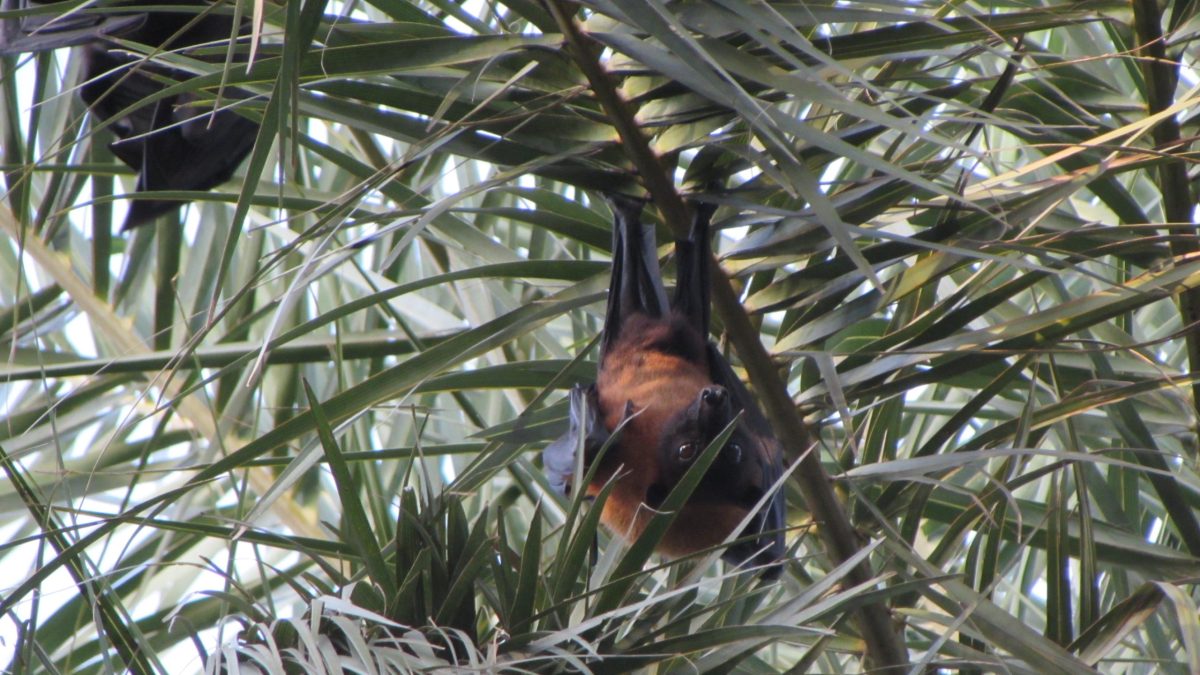
Nipah is a zoonotic virus that spreads from fruit bats and pigs to people, and it can also spread from person to person. The World Health Organization estimates that between 40% and 75% of those infected die, according to the figures reported by NBC. There is no vaccine and no specific cure, and treatment is supportive care to manage complications and keep the patient comfortable. That combination explains why even a small number of cases leads to a large public health response.
The response included contact tracing and quarantine, which are the standard tools for such an outbreak. By finding everyone who had been near the patients and watching them through the incubation period, health teams try to catch any further spread early. The outcome here, with all 196 traced contacts testing negative, indicates that the chain of transmission was broken, at least among the contacts identified.
Other countries reacted quickly. Thailand and Indonesia introduced enhanced screening at airports with temperature checks and health declarations, and Thailand installed thermal scanners at Bangkok’s Suvarnabhumi Airport for direct flights from West Bengal. Myanmar advised against non-essential travel to the state and intensified fever surveillance, Vietnam increased monitoring at borders, and China strengthened prevention in border areas. No cases were reported outside India.
West Bengal has seen Nipah before. NBC notes previous outbreaks in the state in 2001 and 2007, and a 2018 outbreak in Kerala that killed at least 17 people. Kerala has had repeated Nipah episodes since then, and the state’s response has been closely studied, which is part of why the West Bengal cases drew international attention.
Why do such small outbreaks cause so much concern? The combination of a high fatality rate, no vaccine and the possibility of spread in hospitals means that early detection and isolation are essential. Health workers are at particular risk, since they care for patients who may not yet have been diagnosed, and strict infection control in hospitals is a key protection.
For the public, the advice from health authorities in such outbreaks usually includes avoiding raw date palm sap and fruit that may have been bitten by bats, and avoiding contact with sick animals, though the sources reviewed for this article do not describe the advice issued in West Bengal, so none is attributed to the ministry here.
The West Bengal episode ended with a limited number of cases and no spread among traced contacts, according to the ministry, but it showed again how quickly one confirmed case can trigger cross-border alerts.
Featured image: An Indian flying fox, a fruit bat of the kind in which the Nipah virus is carried (file photo). Photo by Emőke Dénes, licensed under CC BY-SA 4.0, via Wikimedia Commons.



Leave a Reply