
India has 1,40,664 MBBS seats across 839 medical colleges for the 2026-27 academic year, according to the latest seat matrix of the National Medical Commission as reported by Medical Dialogues. The matrix, dated 18 September 2026 and released with a notice of 21 September, replaces one released on 9 September that listed 1,40,214 seats across 836 colleges, so it adds 450 seats and three colleges.
The total is made up of 1,27,028 renewed seats and 13,636 increased seats. Government colleges account for 64,121 seats, of which 61,185 were renewed and 2,936 are increases. Private colleges have 76,543 seats, of which 65,843 were renewed and 10,700 are increases. Private colleges therefore have about 54% of all seats, which is IndiaX24’s own arithmetic from the published totals.
Another way to view the growth is by the origin of the new seats. An earlier version of the matrix said that government colleges received 2,786 additional seats and private colleges 10,400, so private institutions accounted for nearly 79% of the increase. Using the latest figures, 10,700 of the 13,636 increased seats are in private colleges, which is about 78%. The share of increased seats that went to private colleges is therefore high, and it means that the expansion is mostly in the private sector.
Newly established colleges also appear in the figures. The matrix includes 3,850 seats in new colleges, of which 850 are in 13 government colleges and 3,000 in 28 private colleges, according to the report. That means that the average new private college has a larger intake than the average new government college, about 107 seats against 65, on IndiaX24’s calculation.
The state ranking shows where capacity is concentrated. Karnataka has the most seats with 15,745, followed by Uttar Pradesh with 14,400, Tamil Nadu with 14,299, Maharashtra with 13,399 and Telangana with 10,500. These five states together have about 68,000 seats, close to half of the national total, according to the figures.
Why do seat numbers matter? The number of MBBS seats affects how many doctors the country can train each year, and the split between government and private colleges affects cost, since fees at private colleges are generally much higher than at government colleges. The sources reviewed for this article do not give fee data, so none is stated here.
The commission has also given a direction on admissions. It stated that no counselling committee shall, under any circumstances, permit admission against seats in excess of the number approved. This is meant to prevent colleges from admitting more students than the approved intake, a problem that has led to disputes in the past, though the report does not describe specific cases.
The figures are still moving. The matrix was updated within two weeks, with three more colleges added, and further changes may follow as inspections and approvals continue. Students and parents should rely on the latest notice from the commission and on the counselling authorities for the seats that are open in the round they are applying to.
In short, the 2026-27 matrix shows a larger medical education system, with expansion led by private colleges and with a heavy concentration of seats in a few states.
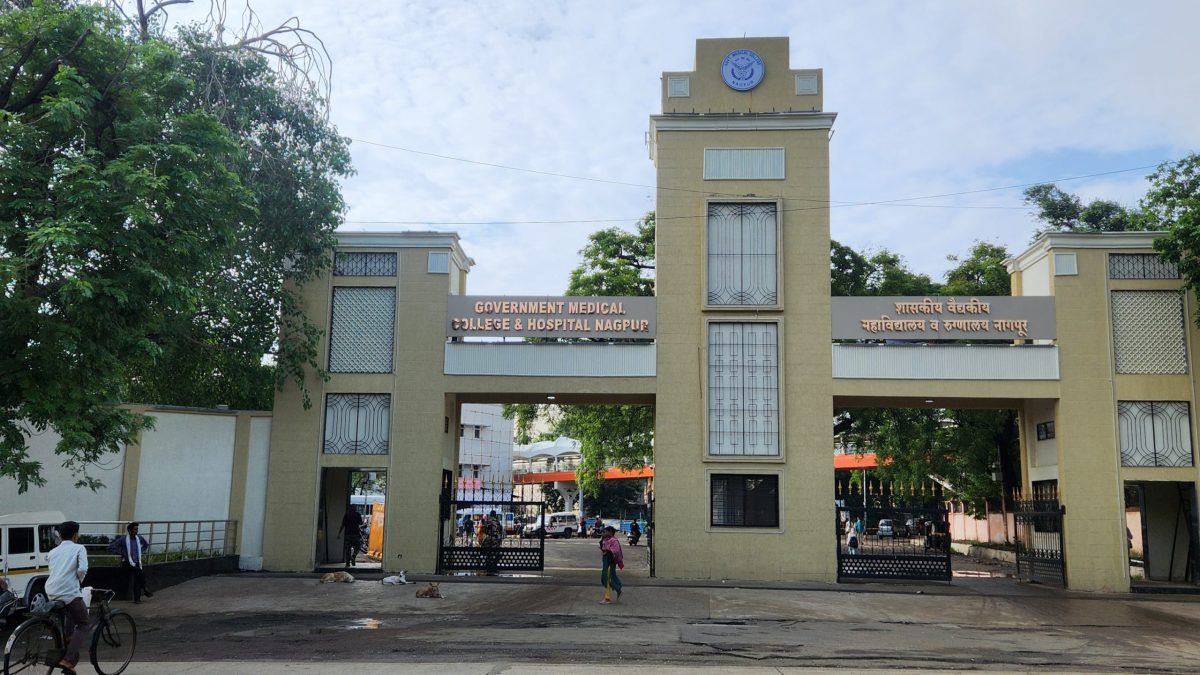
Featured image: The Government Medical College and Hospital in Nagpur (file photo; a stand-in image for a medical college). Photo by Amitbalani, licensed under CC0, via Wikimedia Commons.



Leave a Reply