
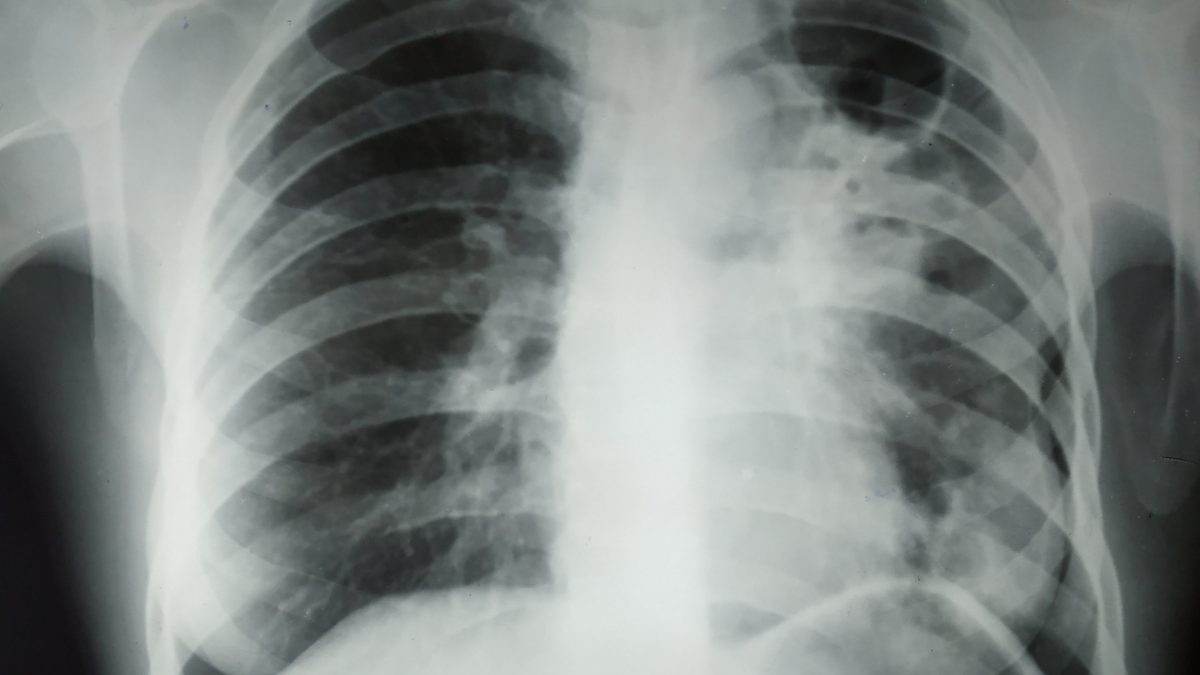
India has cut its tuberculosis incidence by 21% in nine years, according to the World Health Organization’s Global Tuberculosis Report 2025 as summarised by Drishti IAS. The rate of new cases fell from 237 per lakh population in 2015 to 187 per lakh in 2024, which is nearly double the 12% fall in the global rate over the same period.
The mortality rate fell too, from 28 per lakh in 2015 to 21 per lakh in 2024, a decline of 25% on IndiaX24’s calculation from the published rates, while the government’s own statement puts the fall in deaths at 28%. The two measures differ because one is a rate per population and the other counts the number of deaths, and both come from the same WHO estimates.
Treatment coverage has improved a great deal. It was 53% in 2015 and 92% in 2024, according to the summary. India diagnosed 26.18 lakh TB cases in 2024, the highest ever detection, and the treatment success rate was 90%, compared with a global average of 88%.
The burden is still very large. India accounts for about 25% of the world’s TB cases and around 28% of TB deaths, according to the report. Globally there were 10.7 million cases and 1.23 million deaths in 2024, at a rate of 131 per lakh, and a case-fatality rate of 11.5%. India’s incidence of 187 per lakh is therefore well above the global figure, though falling faster.
A gap in detection remains. About one lakh cases remain “missing”, meaning they are not diagnosed or not reported, and India accounts for 8.8% of the global detection gap, second only to Indonesia at 10%. People whose illness is not found cannot be treated and can spread the disease, so closing this gap is central to the campaign.
The government’s campaign is the TB Mukt Bharat Abhiyan. A search summary of the government’s figures says that since its launch in December 2024 it has screened over 19 crore vulnerable people and detected over 24.5 lakh patients, including 8.61 lakh with no symptoms. Detecting people without symptoms matters because they are not likely to seek care themselves. These campaign numbers were not confirmed at the source and should be treated as reported.
India had set a goal of eliminating TB by 2025, five years ahead of the global target of 2030, according to the search results. The data show that the country did not reach that goal, since its incidence remains far above the elimination threshold, and the sources reviewed describe progress and not elimination.
The drivers of progress and the remaining challenges are partly known. Better detection, higher treatment coverage and the use of newer diagnostics have helped, but the persistence of undernutrition, crowded housing and drug resistance are obstacles. The sources reviewed for this article do not provide data on drug-resistant TB for India, so it is not discussed here.
The figures show real progress, with falling incidence and deaths, and a very large remaining burden, and the next WHO report will show whether the pace continues.
Featured image: A chest X-ray showing cavitary tuberculosis (file photo). Photo by Giller Boris, licensed under CC0, via Wikimedia Commons.

Leave a Reply