
India launched a national human papillomavirus vaccination programme on 28 February 2026, when Prime Minister Narendra Modi started it from Ajmer in Rajasthan, according to the Press Information Bureau. The free campaign targets 1.15 crore girls aged 14 every year and uses a single dose of Gardasil-4, which is described as 93% to 100% effective against the HPV types that cause cervical cancer.
The use of a single dose is a notable feature. A single dose means one injection in place of the two or three that were used earlier, which makes it cheaper and easier to deliver to a large number of girls. According to a search summary, the World Health Organization recognises a single dose as giving protection comparable to two doses for the main target age group. The vaccine protects against types 16 and 18, which cause most cervical cancers, and against types 6 and 11, according to the same summary.
On progress, reports give different figures with different dates. In mid-July, officials told Parliament that over 52 lakh girls had been vaccinated, which was about 43% of a target of around 1.2 crore. Another report says India had crossed 80 lakh doses by September. Because each girl needs one dose, these two figures should in principle describe the same group, so the rise from 52 lakh to about 80 lakh over roughly two months suggests continued steady progress, although the sources use different definitions.
India joined more than 160 countries that include HPV vaccination in their national immunisation schedules, according to the PIB summary. The world has a goal of eliminating cervical cancer, and vaccination at about age 14, before girls are exposed to the virus, is a central part of the approach. Screening for adult women is the other part.
Cervical cancer is a major cause of death among Indian women. A search summary says that India accounts for about a quarter of the world’s cervical cancer deaths, though the source reviewed does not give the national case numbers, and readers should check the figure against the global cancer statistics before relying on it.
A domestic vaccine is also part of the picture. The Serum Institute of India has developed Cervavac, and one search summary says that the rollout has established the indigenous vaccine to make protection more affordable. The programme is, according to the sources, using Gardasil, so Cervavac’s role in the national campaign is not described clearly in the reports reviewed, and no claim is made here.
Public trust is a factor. An opinion piece titled “A Public Health Milestone or a Test of Trust?” discusses the programme in those terms, and such programmes depend on parents consenting for their daughters. The sources reviewed say that very few serious adverse events had been reported, according to one summary, but they do not provide the underlying safety data.
For parents, the practical points are that the vaccine is free at government health facilities for girls aged 14, and that local health workers and schools are usually the route for information. Questions about eligibility or side effects should go to the local health centre or a doctor.
The programme is one of the largest vaccination efforts aimed at cancer prevention anywhere, and its effect on cervical cancer will only be measurable after many years.
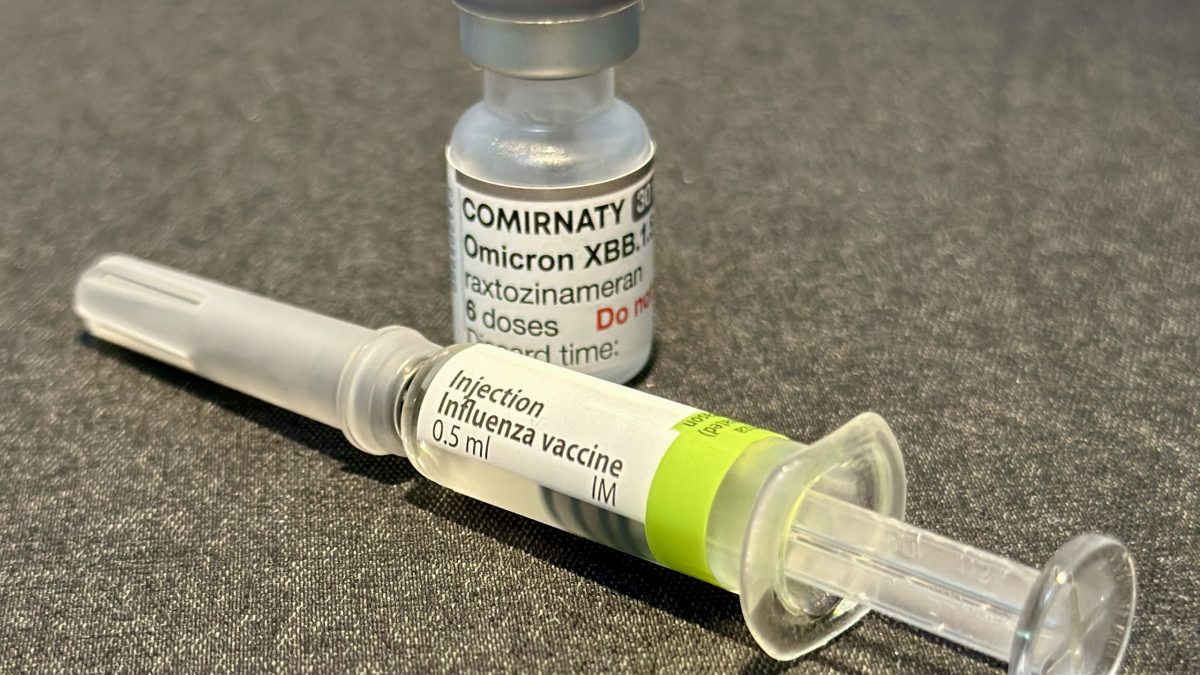
Featured image: Vaccine vials (file photo; a stand-in image, not the HPV vaccine). Photo by Whispyhistory, licensed under CC BY-SA 4.0, via Wikimedia Commons.

Leave a Reply