
About one in nine Indians has diabetes, according to the largest national study of its kind. The ICMR-INDIAB study, conducted by the Madras Diabetes Research Centre with funding from the Indian Council of Medical Research, was published in The Lancet Diabetes and Endocrinology on 8 June 2023. It found that 11.4% of the population had diabetes and 15.3% had prediabetes. This article is an explainer on that study, which is not a new release, and the figures are from 2023 and will have changed.
The study covered more than 1,13,000 participants from 31 states, which made it the first comprehensive study of non-communicable metabolic diseases at the national level in India, according to The Quint. It looked at several conditions at once, including high blood pressure, obesity and abnormal blood fats, not only diabetes.
Reports of the study give further figures. Hypertension affected 35.5% of the people studied, generalised obesity 28.6% and abdominal obesity 39.5%, while dyslipidaemia, an abnormal level of fats in the blood, was found in 81.2%. These numbers come from secondary reports and not from the page fetched for this article, so readers should check them against the Lancet paper.
There was a clear geographic pattern. Southern states showed higher rates of diabetes than northern states, according to The Quint, although the reports reviewed do not list the state-wise figures. The study also underlined that prediabetes is more common than diabetes, which means that a larger group of people is at risk of developing the disease.
What is prediabetes? It means that blood sugar levels are higher than normal but not yet high enough to be called diabetes. Without changes in diet and activity, many people with prediabetes go on to develop diabetes. The number of 15.3% suggests that a very large number of Indians are in this stage, though the sources reviewed do not give a progression rate.
Why do the numbers matter for the health system? Diabetes is a long-term condition that needs regular monitoring and medicine, and it increases the risk of heart disease, kidney disease, eye problems and nerve damage. A national prevalence of 11.4% means that the burden is spread across states and across income groups, not limited to cities.
A mental health study discussed in another IndiaX24 article, ICMR-MINDS, is built on the same concern, because people with chronic conditions such as diabetes often have depression or anxiety as well. The study tests whether public facilities can screen for such problems when patients come for their regular care.
The study has limits. It was cross-sectional, meaning that it measured the situation at one time and not over a period, and it was published in 2023, so it does not show the present level. Surveys of this kind rely on measurements and tests taken from a sample of people, and the results are estimates for the whole population.
The practical message from the study is that screening and lifestyle change matter. Doctors generally advise adults, especially those with a family history, excess weight or high blood pressure, to have their blood sugar checked regularly. This advice is general and is not taken from a single source.
The INDIAB study remains the main national reference for how common diabetes is in India, and it shows that the disease and the risk of it affect a large share of the population.
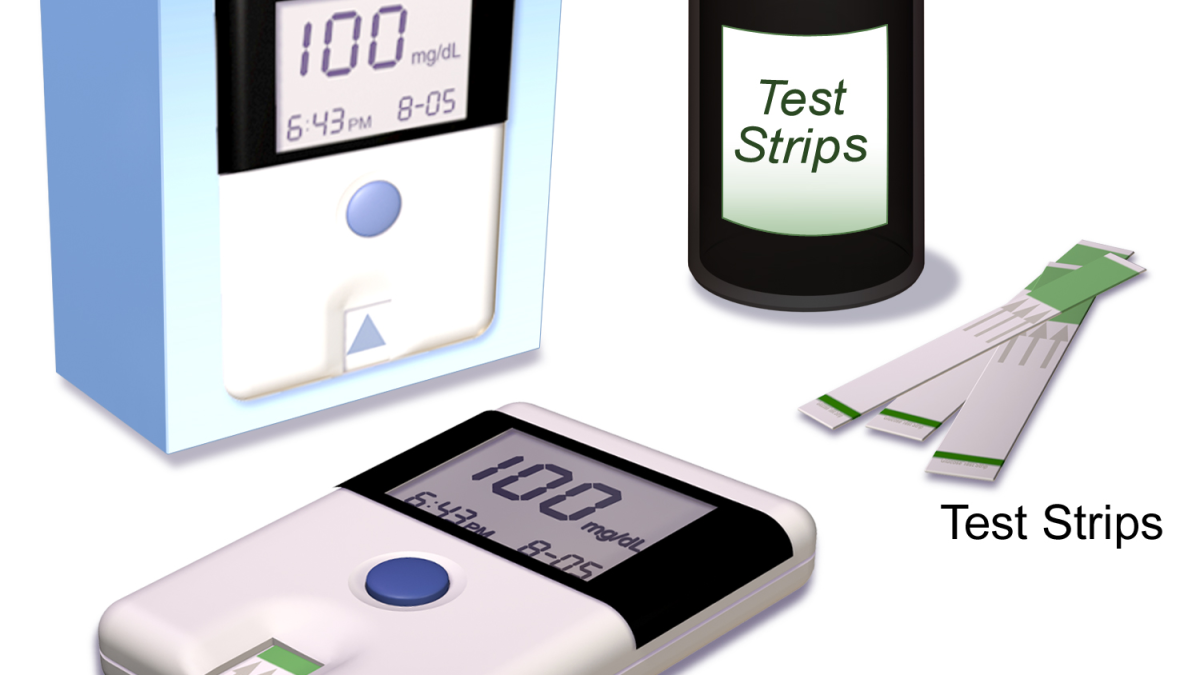
Featured image: A blood glucose meter (illustration). Photo by BruceBlaus. When using this image in external sources it can be cited as: Blausen.com staff (2014). “Medical gallery of Blausen Medical 2014”. WikiJournal of Medicine 1 (2). DOI:10.15347/wjm/2014.010. ISSN 2002-4436., licensed under CC BY 3.0, via Wikimedia Commons.




Leave a Reply