
With dengue cases rising in parts of India, the World Health Organization’s fact sheet on the disease offers a clear checklist on symptoms, danger signs, treatment and prevention. This article summarises that guidance. It is general information and not medical advice, and anyone who is unwell should see a doctor.
Dengue is spread by the bite of infected female mosquitoes, mainly Aedes aegypti. According to the WHO, symptoms usually begin 4 to 10 days after infection and last for 2 to 7 days. They can include a high fever of up to 40 degrees Celsius, a severe headache, pain behind the eyes, muscle and joint pain, nausea, vomiting, swollen glands and a rash. Most people recover within one to two weeks.
The danger often comes as the fever falls. The WHO says that the warning signs of severe dengue usually appear after the fever has subsided and include severe abdominal pain, persistent vomiting, rapid breathing, bleeding from the gums or nose, fatigue, restlessness, blood in vomit or stool, being very thirsty, pale and cold skin and feeling weak. People with these signs need medical attention immediately. People who are infected a second time are at greater risk of severe dengue.
Treatment is supportive. There is no specific antiviral drug for dengue. The WHO says that pain can be managed with paracetamol, and it specifically advises people to avoid non-steroidal anti-inflammatory medicines such as ibuprofen and aspirin, because these increase the risk of bleeding. Severe cases need hospital care. This is why doctors advise people not to take painkillers on their own when they have a fever during dengue season.
A person with dengue can also pass the virus to mosquitoes, from up to two days before symptoms begin until two days after the fever ends. A mosquito that bites an infected person can then infect others. This is one reason why using a net or repellent while sick can help to protect the rest of the family.
Prevention focuses on avoiding bites and removing breeding sites. The WHO recommends clothes that cover as much of the body as possible, mosquito nets, window screens, repellents containing DEET, picaridin or IR3535, and coils and vaporisers. On the environmental side, it calls for proper waste disposal and regular cleaning of water storage containers. The Aedes mosquito lays eggs in clean standing water, so containers, coolers, plant saucers and old tyres are the usual places.
The scale of the problem is large. The WHO reports that 14.6 million cases and more than 12,000 dengue-related deaths were reported worldwide in 2024, which it describes as a historic peak. India’s numbers vary from year to year. According to an Al Jazeera analysis, the country recorded 2,89,235 cases in 2023 and 1,21,824 in 2025.
The local picture is changing as well. Delhi reported 98 cases in the first week of October 2026 and 695 so far this year, and officials say that no deaths have been recorded in the capital. India has also approved the Qdenga vaccine for people aged 4 to 60, which is discussed in a separate article, but the vaccine does not remove the need to prevent bites.
If a household member has a high fever during dengue season, the practical steps are to rest, drink fluids, use paracetamol if a doctor agrees, avoid aspirin and ibuprofen, and watch closely for the warning signs above as the fever falls. When in doubt, the safest course is to go to a doctor or hospital.
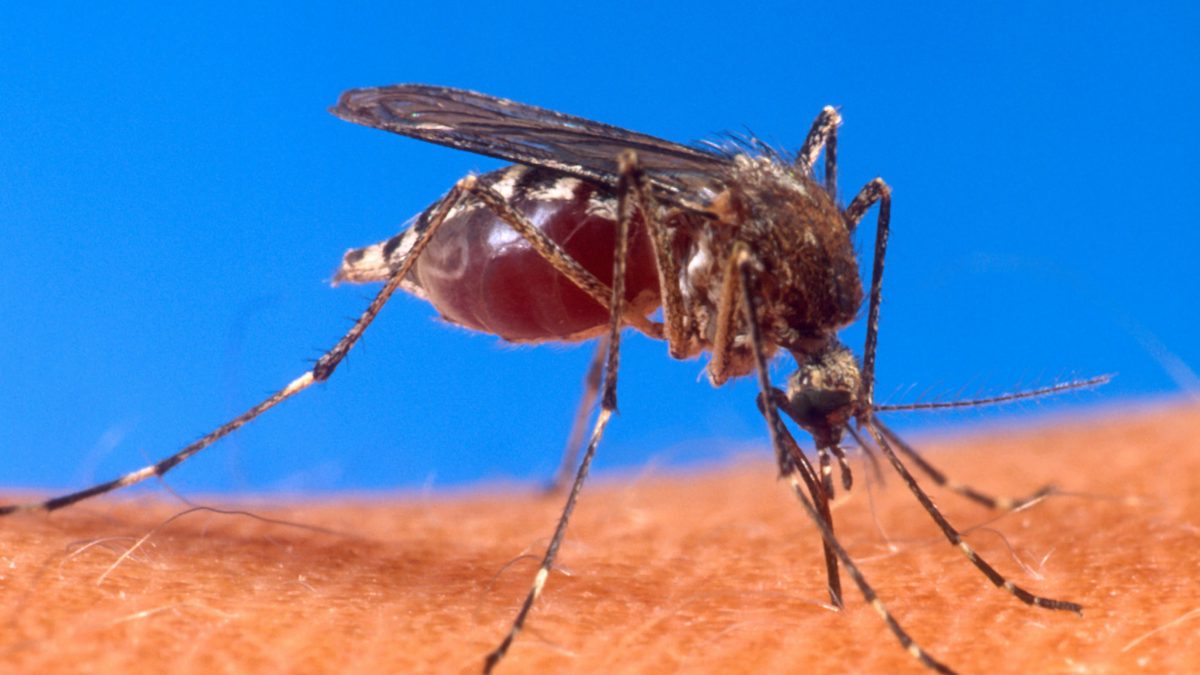
Featured image: An Aedes aegypti mosquito biting a person (file photo). Photo by Original author: US Department of Agriculture; then denoised rescaled, enhanced with adaptive denoising filters and minimal resharpening, then unscaled to original resolution, for easier refitting at various resolutions., in the public domain, via Wikimedia Commons.


Leave a Reply