
Delhi recorded 98 fresh dengue cases in the first week of October 2026, taking the capital’s tally for the year to 695, according to a report on the weekly update of the Municipal Corporation of Delhi for the week ending 3 October. The rise comes as the post-monsoon season, which is traditionally the peak period for the mosquito-borne disease in the city, gets under way.
The monthly pattern shows a sharp turn. September recorded 286 dengue cases, the highest monthly count so far this year, while August had 90 and the earlier months of the year stayed below 100 cases each. In other words, more than 40% of the year’s dengue cases so far were reported in a single month, according to a calculation from the published figures.
Dengue is not the only vector-borne disease in the figures. Delhi has recorded 266 malaria cases this year, with September also the worst month for malaria at 124 cases, and 29 cases of chikungunya, including two new ones in October. The report says that no deaths from dengue or from malaria have been recorded in the capital in 2026 so far, a point that officials and doctors usually stress when residents ask how worried they should be.
The corporation has also published figures on its control work. Year to date its teams have made 3.18 crore household visits, found mosquito breeding in 1.89 lakh households, issued 1,32,172 legal notices, launched 20,882 prosecutions and collected Rs 29.70 lakh in penalties. These are cumulative totals for 2026, not figures for a single week.
The numbers need to be read with care. They are cases reported by the civic body, and counts are usually revised as laboratories and hospitals report late. They are also based on the cases that are tested and notified, which is generally lower than the number of people who fall ill, since many mild infections are never confirmed by a test.
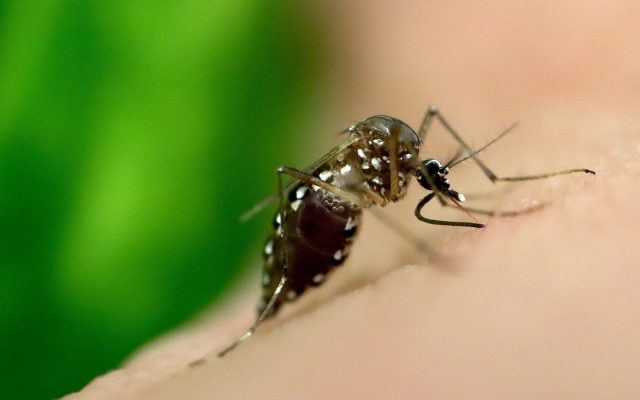
October is often the most dangerous month in Delhi because of the way the weather and the mosquito breed together. The Aedes aegypti mosquito that carries the dengue virus lays its eggs in clean, standing water, such as water in coolers, buckets, flower pots, discarded tyres and construction sites, and the rain that falls in September and early October leaves many such pools behind. A separate IndiaX24 article explains the warning signs of severe dengue and the ways to prevent it, based on guidance from the World Health Organization.
What can residents do? The standard advice is to empty and scrub water containers at least once a week, cover water storage tanks, avoid letting water collect in trays under coolers and plant pots, and use mosquito nets, repellents and clothing that covers the body. These steps matter because the mosquito breeds in and around homes, so the household is the first line of defence, which the corporation’s count of 1.89 lakh households with breeding also shows.
The picture is not the same across the country. In another IndiaX24 report, national data show that Tamil Nadu has had the most cases in 2026 so far, followed by Maharashtra, Kerala and Karnataka, and the broader trend is for dengue to spread outside the traditional monsoon season.
For now, Delhi’s numbers show a rising curve rather than a crisis, with no deaths reported. Whether the tally keeps rising through October will depend on rainfall, temperature and how quickly breeding sites are removed, and the weekly corporation reports will show the trend.
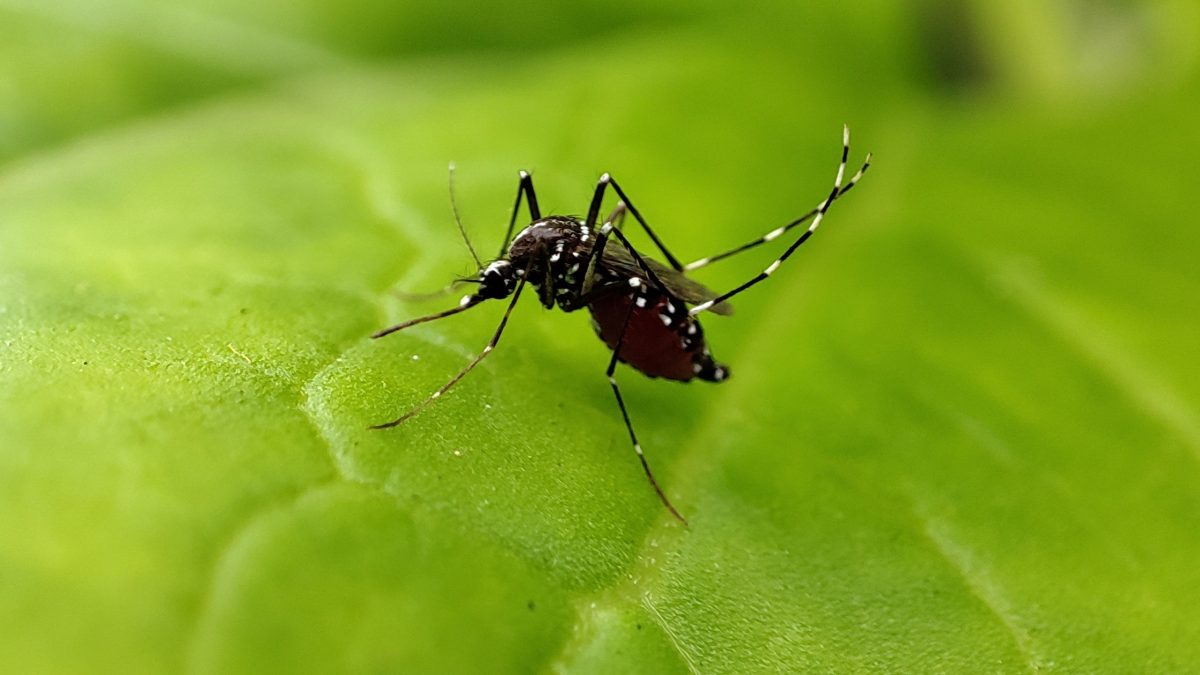
Featured image: An Aedes aegypti mosquito, the species that spreads dengue (file photo). Photo by Wee Hong, licensed under CC BY-SA 4.0, via Wikimedia Commons.

Leave a Reply