
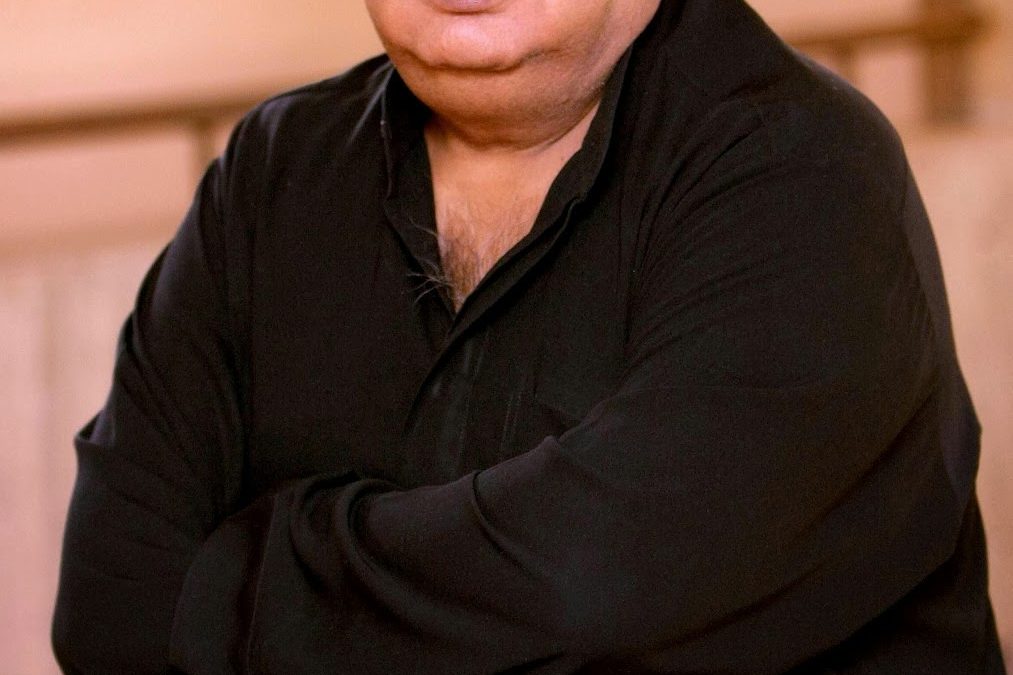
Munawwar Rana (26 November 1952 – 14 January 2024) was an Indian Urdu poet, among the most popular of his time at mushairas in India and abroad. Born in Raebareli, he wrote ghazals in a simple language that mixed Urdu with Hindi and Awadhi and could be followed by any listener. He is best known for placing the mother, in place of the traditional beloved, at the centre of the ghazal, and for Muhajirnama, a long poem on those who left for Pakistan at Partition.
Quick Facts
| Full name | Sayyed Munawwar Ali Rana |
| Born | 26 November 1952, Raebareli, Uttar Pradesh, India |
| Died | 14 January 2024 (aged 71), Lucknow |
| Occupation | Poet |
| Language | Urdu (also published in Hindi script) |
| Notable works | Maa, Muhajirnama, Ghar Akela Ho Gaya, Peepal Chhaon, Shahdaba |
| Awards | Sahitya Akademi Award for Urdu (2014; returned 2015) |
Early Life
Rana was born in Raebareli. At Partition most of his relatives had migrated to Pakistan, but his father chose to stay in India, and the family’s circumstances declined; his father drove a truck and later ran a transport business. The family moved to Kolkata, where Munawwar was educated and where he himself worked in transport for many years. The broken family, the house left behind and his mother’s patience through hard years became the material of his poetry.
Poetry
The ghazal had for centuries been addressed to a beloved. Rana wrote couplet after couplet about his mother: her prayers that follow a son like a shadow, the way she stays awake until he comes home, the wetness of her eyes that he compares to a river. Critics at first objected that this was not a proper subject. Audiences disagreed, and his collection Maa sold in numbers rare for poetry. One of his most quoted couplets says that when the property was divided the house went to one brother and the shop to another, and he, the youngest, received his mother as his share.
Muhajirnama is a poem of several hundred couplets in the voice of a migrant who left India in 1947 and looks back at what was abandoned: the mango orchards, the neighbours, the graves of ancestors, a half-read book. It gave expression to a grief shared on both sides of the border.
His other collections include Ghar Akela Ho Gaya, Peepal Chhaon, Baghair Naqshe Ka Makan, Kaho Zill-e-Ilahi Se and Shahdaba. He also wrote prose sketches and memoirs. By publishing in the Devanagari script as well as in Urdu he reached a very large readership among Hindi speakers.
Awards and Protest
He received the Sahitya Akademi Award for Urdu in 2014 for Shahdaba. In October 2015, during a wave of protests by writers against what they called growing intolerance, he returned the award and its prize money during a live television programme and said he would not accept a government award again. He had earlier received the Ameer Khusro, Mir Taqi Mir, Ghalib and Kabir awards, among others.
Controversies
In his last years he was repeatedly in the news for political remarks. Statements he made in 2020 about killings in France and in 2021 about the Taliban led to police complaints against him, and his daughters were prominent in the protests in Lucknow against the citizenship law. He was a sharp critic of the state government.
Illness and Death
He suffered for years from throat cancer and kidney disease. He died of a cardiac arrest in hospital in Lucknow on 14 January 2024 and was buried in the city. He is survived by his wife, daughters and a son.
Frequently Asked Questions
When and where was Munawwar Rana born?
Munawwar Rana was born on 26 November 1952 in Raebareli, Uttar Pradesh, India.
When did Munawwar Rana die?
Died: 14 January 2024 (aged 71), Lucknow.
What is Munawwar Rana’s occupation?
Occupation: Poet.
What honours has Munawwar Rana received?
Sahitya Akademi Award for Urdu (2014; returned 2015).
Featured image: Munawwar Rana in October 2015. Photo by Sirajul Islam Yazdani, licensed under CC BY-SA 4.0, via Wikimedia Commons.



