Prabodh Chandra Dey (1 May 1919 – 24 October 2013), known as Manna Dey, was an Indian playback singer. With Mohammed Rafi, Kishore Kumar and Mukesh he was one of the four great male voices of Hindi film music from the 1950s to the 1970s, and the one to whom composers turned for songs based on classical ragas. He recorded more than 3,500 songs in Hindi, Bengali and many other languages and received the Dadasaheb Phalke Award.
Quick Facts
| Full name | Prabodh Chandra Dey |
| Born | 1 May 1919, Calcutta |
| Died | 24 October 2013, Bengaluru (aged 94) |
| Occupation | Playback singer, music director |
| Years active | 1942–2013 |
| Known for | Laga Chunari Mein Daag, Poochho Na Kaise, Ae Meri Zohra Jabeen, Yeh Dosti, Ek Chatur Naar, Zindagi Kaisi Hai Paheli, Coffee Houser Sei Addata |
| Awards | National Film Award for Best Male Playback Singer (1969, 1971), Padma Shri (1971), Padma Bhushan (2005), Dadasaheb Phalke Award (2007) |
| Spouse | Sulochana Kumaran (m. 1953; died 2012) |
| Children | 2 |
Early Life
He was born in north Calcutta into a joint family. The strongest influence on him was his youngest uncle, Krishna Chandra Dey, a blind singer and composer who was one of the stars of early Indian cinema. He studied at Scottish Church College and Vidyasagar College, and in his youth was a keen wrestler and boxer.
His family wanted him to become a lawyer. He chose music, learning from his uncle and from Ustad Dabir Khan.
Career
Bombay
In 1942 he went to Bombay with K. C. Dey as his assistant and also worked under the composer S. D. Burman. He sang his first film song that year, in Tamanna, and made his name with the devotional songs of Ram Rajya (1943). After Mashal (1950) and “Upar Gagan Vishal” he was established. He went on training in classical music under Ustad Aman Ali Khan and Ustad Abdul Rahman Khan.
The songs
Because he could sing anything, he was often given what others could not manage: the classical piece, the song for the old man or the beggar, the comic number.
- **Classical:** “Laga Chunari Mein Daag” (Dil Hi To Hai), “Poochho Na Kaise Maine Rain Bitayi” (Meri Surat Teri Aankhen), “Jhanak Jhanak Tori Baaje Payaliya”
- **Romantic and reflective:** “Pyar Hua Ikrar Hua” with Lata Mangeshkar (Shree 420), “Ae Meri Zohra Jabeen” (Waqt), “Zindagi Kaisi Hai Paheli” (Anand), “Kasme Vaade Pyar Wafa” (Upkar)
- **Patriotic:** “Ae Mere Pyare Watan” (Kabuliwala)
- **Comic:** “Ek Chatur Naar”, his duel with Kishore Kumar in Padosan
- **Friendship:** “Yeh Dosti” with Kishore Kumar (Sholay), “Yaari Hai Imaan Mera” (Zanjeer)
He sang for Raj Kapoor in several films, though the actor’s usual voice was Mukesh.
Bengali music
In Bengali he was a star in his own right, with film songs for Uttam Kumar and modern songs that are still sung at every gathering, above all “Coffee Houser Sei Addata”, a lament for a group of friends scattered by time.
Awards
- National Film Award for Best Male Playback Singer for Mere Huzoor (1969) and for the Bengali film Nishi Padma and Mera Naam Joker (1971)
- Padma Shri (1971) and Padma Bhushan (2005)
- Dadasaheb Phalke Award for 2007
Personal Life
In 1953 he married Sulochana Kumaran, who came from Kerala. They had two daughters, Shuroma and Sumita. After fifty years in Mumbai he moved to Bengaluru to live near his daughter. His wife died in 2012, and he died there the following year. His autobiography, Jiboner Jalsaghorey, was published in Bengali and translated into English as Memories Come Alive.
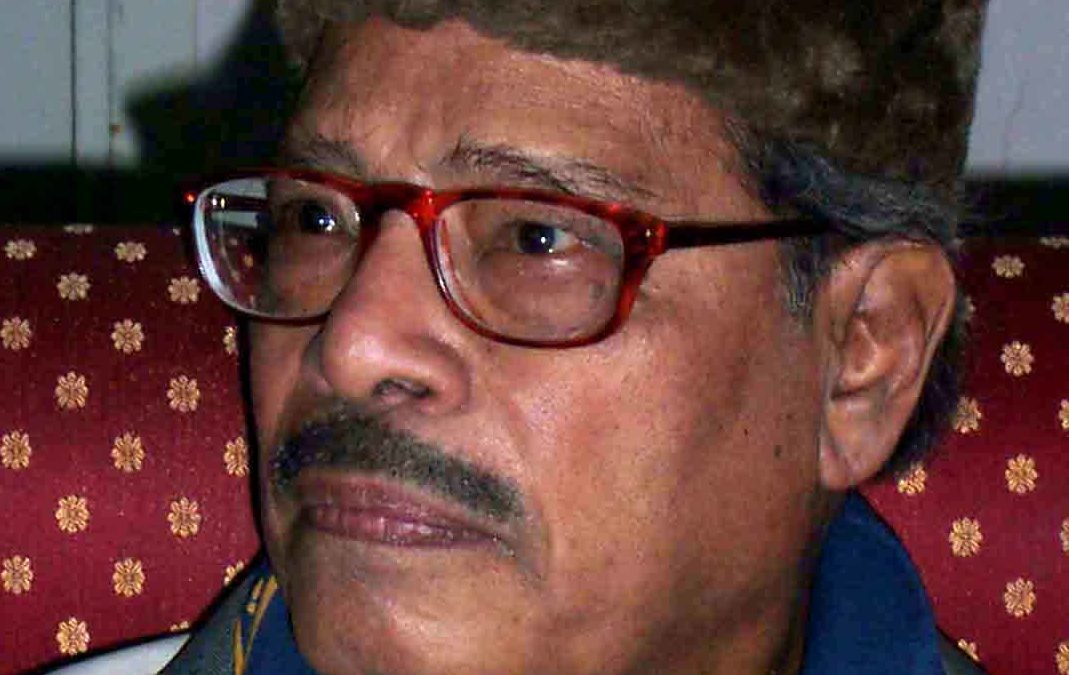
Featured image: Manna Dey after receiving an honorary D.Litt. from Rabindra Bharati University, May 2004. Photo by Dr. Gautam Roy (Secretary), licensed under CC BY-SA 2.5, via Wikimedia Commons.