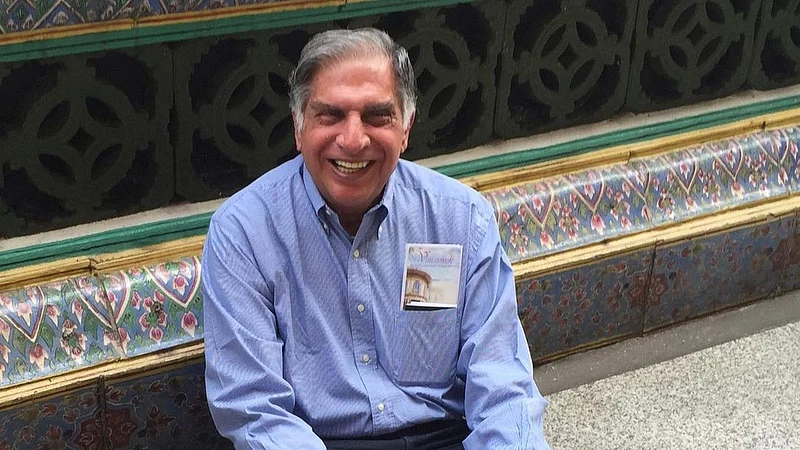
Ratan Tata (28 December 1937 – 9 October 2024) was an Indian industrialist and philanthropist who led the Tata Group as chairman from 1991 to 2012. He transformed it into a global conglomerate through bold acquisitions such as Tetley, Corus and Jaguar Land Rover. He launched India’s first home-grown car, the Tata Indica, and the low-cost Nano. Admired for his integrity, humility and charitable work through the Tata Trusts, he was one of India’s most respected public figures.
Quick Facts
| Full name | Ratan Naval Tata |
| Born | 28 December 1937, Bombay (now Mumbai), India |
| Died | 9 October 2024, Mumbai (aged 86) |
| Position | Chairman, Tata Sons (1991–2012, interim 2016–17); later Chairman Emeritus |
| Education | BArch, Cornell University; Advanced Management Program, Harvard Business School |
| Parents | Naval Tata, Sooni Tata |
| Marital status | Never married |
| Honours | Padma Bhushan (2000), Padma Vibhushan (2008) |
Early Life
Ratan Tata was born in Mumbai into the Parsi family that founded the Tata Group. His parents separated when he was about ten, and he was raised largely by his grandmother, Navajbai Tata. He studied architecture at Cornell University in the United States and later attended Harvard Business School’s Advanced Management Program.
Career
Tata joined the family business in 1962 and started on the shop floor at Tata Steel in Jamshedpur. He later took charge of struggling group companies such as Nelco. In 1991 he succeeded the legendary J. R. D. Tata as chairman of Tata Sons.
Taking over just as India opened its economy, Tata streamlined the sprawling group and pushed it onto the world stage. It bought the tea company Tetley in 2000, the Anglo-Dutch steelmaker Corus in 2007 and the British carmakers Jaguar and Land Rover in 2008. Tata Consultancy Services went public in 2004 and became one of the world’s largest IT companies. Under his leadership the group’s revenues grew many times over, with most of its income coming from abroad.
Tata championed the Tata Indica (1998), India’s first car designed and built at home. He also backed the Tata Nano (2008), billed as the world’s cheapest car and aimed at families who rode on two-wheelers.
Tata retired as chairman in December 2012 and was succeeded by Cyrus Mistry. After Mistry was removed in October 2016, Tata returned as interim chairman until N. Chandrasekaran took over in 2017. He remained Chairman Emeritus, chaired the Tata Trusts and invested in dozens of Indian start-ups.
Philanthropy
The Tata Trusts, which own a majority stake in Tata Sons, fund healthcare, education, rural development and research across India. Tata was known for his personal generosity and his love of animals, especially stray dogs. After the 2008 Mumbai attacks he also cared personally for victims and for employees of the group’s Taj hotel.
Personal Life and Death
Tata never married and lived a famously modest life. He died at Breach Candy Hospital in Mumbai on 9 October 2024, aged 86, and was given a state funeral. His half-brother Noel Tata succeeded him as chairman of the Tata Trusts.
Awards and Honours
Frequently Asked Questions
When and where was Ratan Tata born?
Ratan Tata was born on 28 December 1937 in Bombay (now Mumbai), India.
When did Ratan Tata die?
Died: 9 October 2024, Mumbai (aged 86).
What honours has Ratan Tata received?
Padma Bhushan (2000), Padma Vibhushan (2008).