
Brent crude rose 1.4 percent to $110.40 a barrel on 21 October 2026, within $1.59 of its 52-week high of $111.99, after reports that a supertanker had caught fire near the Strait of Hormuz and that shipping data showed at least 18 vessel attacks in two weeks. For India, which imports about 88 percent of its crude, the move arrives on top of a bill that is already much higher. India's crude oil import bill rose 46.3 percent to $90.6 billion in April-September 2026 from $61.9 billion a year earlier, according to the Petroleum Planning and Analysis Cell, and the whole increase came from price: volumes were 122.7 million tonnes against 121.8 million.
The argument that the risk is serious begins with how little room the country has to cut back. The Indian basket averaged $116.09 a barrel in September against $69.61 a year earlier, and the September bill alone was $15.4 billion, about 47 percent more than a year before. Import dependence on crude was 88.1 percent in the half-year, and gas import dependency rose to 52.3 percent from 50.1 percent. Oil marketing companies are absorbing part of the shock: ICRA estimated in September that they were losing about Rs 5.3 billion a day, with margins of about minus Rs 8 a litre on petrol and minus Rs 9 on diesel, and it warned that losses would stay large if crude remained above $100. If the companies cannot keep absorbing, pump prices must rise, and that feeds into inflation already at 5.54 percent.
The argument that the damage is manageable has its own data. Volumes were almost unchanged, which means the economy has not had to ration fuel, and demand remains healthy, with diesel consumption up 4.9 percent to 47.9 million tonnes and petrol up 7.1 percent to 22.7 million tonnes. India's foreign exchange reserves of $726.027 billion are a large buffer, even after a fall of $8.578 billion in a week. Prices also move both ways: the Indian basket averaged $90.19 in August before jumping to $116.09 in September, and Brent has moved by around a dollar a day in recent sessions, from $108.58 on 19 October to $110.40 on 21 October, so a calming of tensions in the Gulf could lower the bill as fast as it rose.
The numbers matter because oil is the largest single item in India's imports and it drives the current account, the rupee and consumer prices. For households, higher crude means higher transport and fertiliser costs. For the government, it raises the cost of subsidies and the temptation to adjust fuel taxes. For the Reserve Bank, which has just raised the repo rate to 5.50 percent, oil is the main outside risk to its inflation forecast of 5.2 percent for the year.
India is paying nearly half as much again for the same barrels. The next two weeks in the Gulf will decide whether the second half of the year is better or worse. Brent's 52-week high of $111.99 is the level to watch.
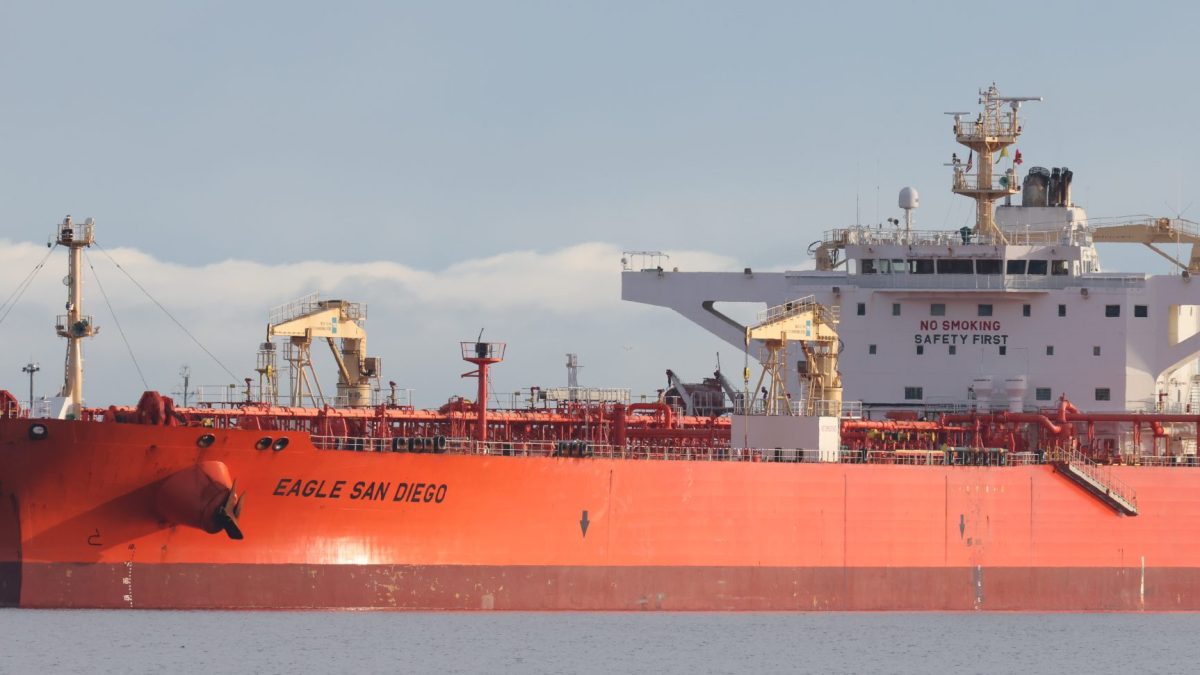
Featured image: A crude oil tanker (file photo). Photo: Jordanroderick, CC0, via Wikimedia Commons.



Leave a Reply