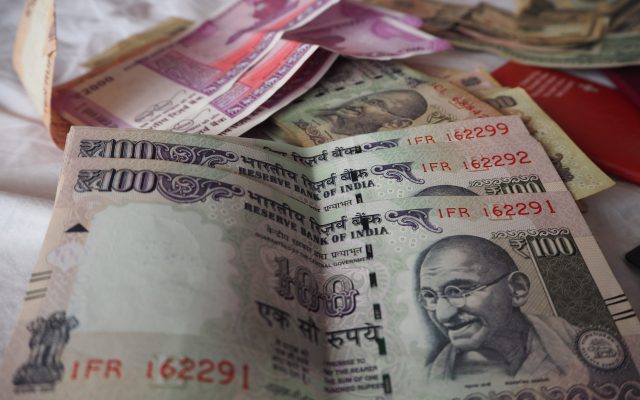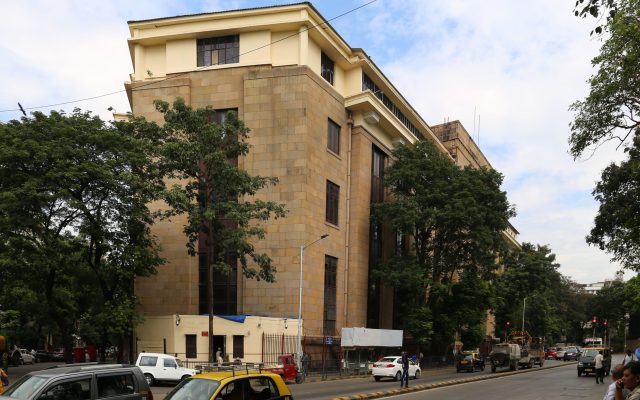
In June 1991 India had foreign exchange enough to pay for about two weeks of imports. Within weeks a new government had devalued the rupee, scrapped most industrial licensing and opened the economy to trade and foreign investment. The reforms of 1991 changed the direction of the Indian economy.
The system before 1991
After independence India built a planned economy. The state owned the major industries. Private companies needed government licences to set up a factory, expand it or change what it made, a system nicknamed the “licence raj”. Imports were restricted by quotas and very high duties. Growth averaged about 3.5 per cent a year for three decades. Some controls were loosened in the 1980s, and growth picked up, but it was paid for with heavy government borrowing.
The crisis
- Deficits: The fiscal deficit had risen to about 8 per cent of national income.
- The Gulf War: Iraq’s invasion of Kuwait in August 1990 pushed up the price of oil and cut off the money sent home by Indian workers in the Gulf.
- Political instability: Two governments fell between 1989 and 1991, and Rajiv Gandhi was assassinated in May 1991 during the election campaign.
- Capital flight: Lenders refused to renew short-term loans, and non-resident Indians withdrew deposits.
Foreign exchange reserves fell to about one billion US dollars. India was close to defaulting on its foreign debt for the first time.
The gold
To raise emergency loans, the caretaker government of Chandra Shekhar and then its successor pledged the country’s gold. In July 1991 the Reserve Bank airlifted about 47 tonnes to the Bank of England as security. For a country that prizes gold, it was a moment of humiliation.
The new government
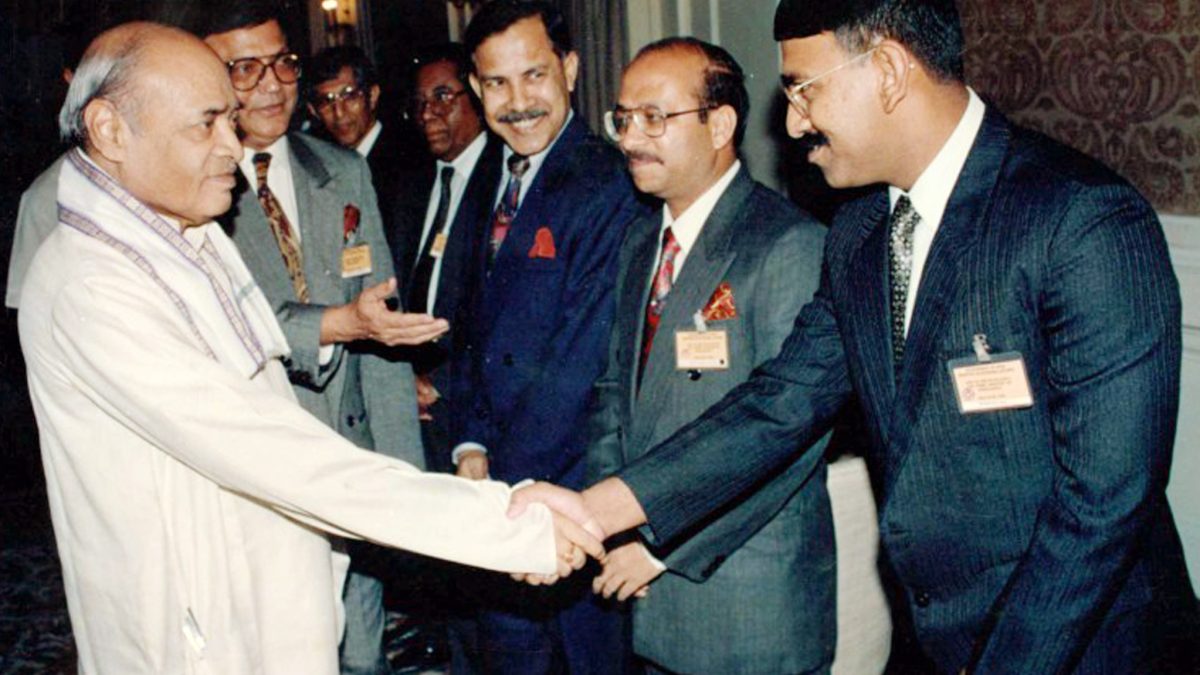
P. V. Narasimha Rao became Prime Minister on 21 June 1991 at the head of a minority Congress government. He chose as Finance Minister an economist who was not a politician, Dr Manmohan Singh.
What was done
- Devaluation: The rupee was devalued in two steps, on 1 and 3 July, by about 18 per cent in all.
- Industrial policy, 24 July: Licensing was abolished for all but 18 industries. Limits on the expansion of large companies were removed. The number of industries reserved for the public sector was cut sharply.
- Foreign investment: Foreign ownership of up to 51 per cent was allowed automatically in many industries.
- Trade: Import licensing was dismantled for most goods and customs duties were cut in stages.
- The Budget, 24 July: Manmohan Singh cut subsidies and the deficit. He ended his speech with words from Victor Hugo: “No power on earth can stop an idea whose time has come.”
India also borrowed from the International Monetary Fund, which made reforms a condition of its loan.
Later steps
The Securities and Exchange Board of India was given legal powers in 1992, the National Stock Exchange opened in 1994, private banks and airlines were licensed, and telecom was opened to private companies.
The results
- Reserves: recovered within two years and now exceed 600 billion dollars.
- Growth: averaged over 6 per cent a year in the decades that followed.
- Poverty: fell substantially.
- New industries: software services, telecom, private banking and the car industry grew rapidly.
The criticism
Inequality has widened, growth in jobs has lagged behind growth in output, and agriculture gained less than industry and services. Critics also note that reform was forced by crisis and outside lenders instead of being chosen through public debate.
Narasimha Rao was awarded the Bharat Ratna posthumously in 2024.