
Behind Delhi’s weekly dengue count is a large field operation, and the civic body has published how big it has been this year. According to the Municipal Corporation of Delhi’s report for the week ending 3 October 2026, as reported by The Logical Indian, its teams have made 3.18 crore household visits so far in 2026, found mosquito breeding in 1.89 lakh households, issued 1,32,172 legal notices, launched 20,882 prosecutions and collected Rs 29.70 lakh in penalties.
Taken together, the figures give some idea of the scale. If the numbers are divided, mosquito breeding was found in about 0.6% of household visits, which is IndiaX24’s own arithmetic from the published totals. That share looks small, but the mosquito that spreads dengue needs only a small amount of clean standing water to breed, and a single flower pot or cooler can produce many adult mosquitoes.
The enforcement figures show how the system works. Households or establishments where breeding is found can be given a notice, and those that do not fix the problem can be prosecuted and fined. The report gives 1,32,172 notices and 20,882 prosecutions, which means that roughly one in six notices has led to a prosecution, again on IndiaX24’s calculation from the totals, though the report does not say how many notices or prosecutions relate to each other.
The penalties collected, Rs 29.70 lakh, are small relative to the number of cases. Divided among the prosecutions, they average about Rs 142 each, which suggests that the fines in many cases are modest, although the report does not give a breakdown. Public health experts often argue that awareness and cleaning in homes does more than fines, and the corporation’s regular visits are meant to provide that reminder.
The results are tied to the disease data. The same report shows 695 dengue cases in Delhi in 2026 so far, 98 of them in the first week of October, with 286 in September. It also lists 266 malaria cases and 29 chikungunya cases, and no deaths from dengue or malaria this year. The control work is aimed at all three diseases, since the same breeding sites can support the mosquitoes that carry malaria and chikungunya, although the malaria mosquito, Anopheles, prefers different kinds of water.
The corporation’s work depends on the cooperation of residents. The World Health Organization advises regular cleaning of water storage containers and proper waste disposal as the main environmental measures, and says that protection against bites includes nets, screens, repellents and clothing that covers the body. Those are things only households can do.
What do the numbers not tell us? They do not show how many visits found breeding that was then removed, how quickly the notices were followed up or how the figures compare with last year, since the report does not provide the comparison. They also cannot show the effect of the programme on the number of cases, because dengue also varies with the weather.
There is a timing point. October is traditionally a high-risk month for dengue in Delhi because the rains leave standing water, and the corporation’s weekly reports will show whether the control drive can keep the count in check. A separate IndiaX24 article covers the latest case numbers.
The figures show that dengue control in a large city is mostly door-to-door work, and that the success of the effort depends on finding small breeding sites in millions of homes.
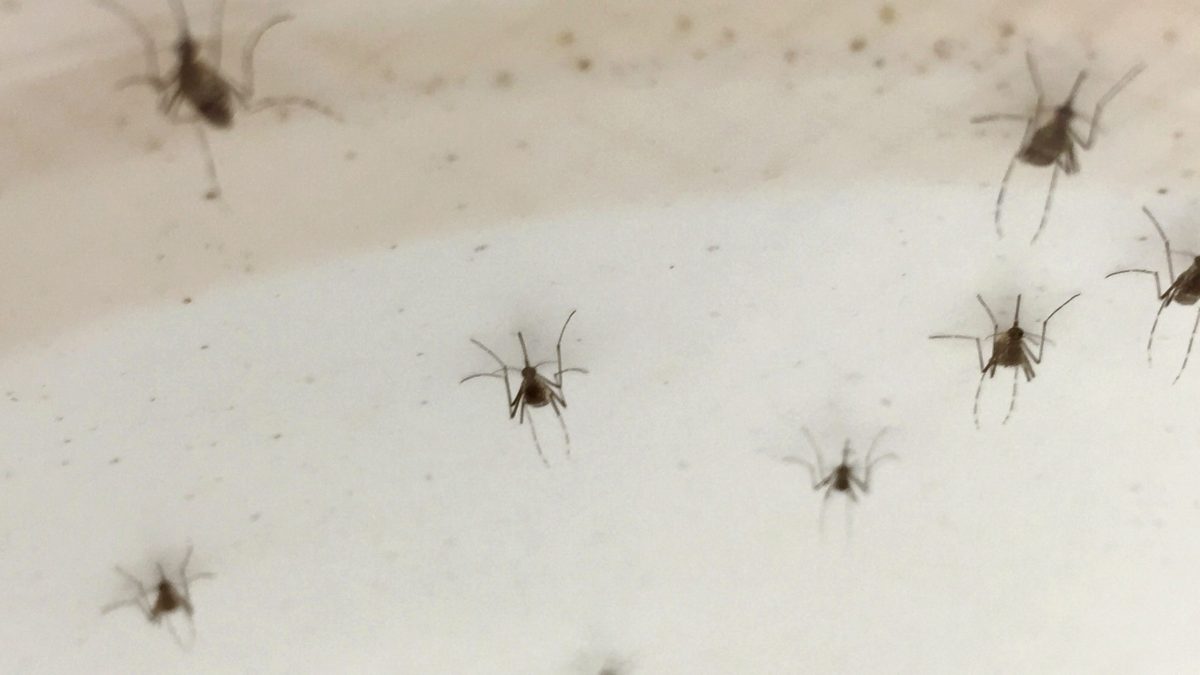
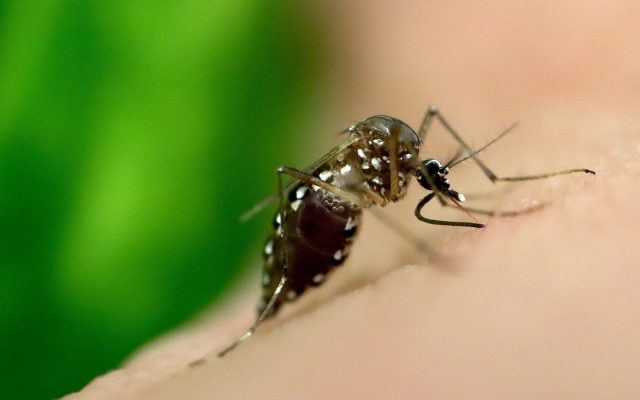
Featured image: Aedes aegypti mosquitoes (file photo; a stand-in image, not a photo of Delhi’s control teams). Photo by NIAID, licensed under CC BY 2.0, via Wikimedia Commons.

Leave a Reply