
India has approved its first dengue vaccine. The Central Drugs Standard Control Organisation approved Takeda’s Qdenga on 21 July 2026, according to a report from Medical Xpress. It is approved for people aged 4 to 60 years and is given as two injections three months apart.
The vaccine protects against all four serotypes of the dengue virus. The report says that more than 24 million doses have been distributed worldwide with no major safety concerns reported so far, and that the vaccine is approved in 42 countries, including the European Union, the United Kingdom, Switzerland and Indonesia, and has received WHO prequalification. The price was not disclosed in the source, and it did not say whether the vaccine will be included in the national immunisation programme.
Other reports add some details. One says that the approval requires post-marketing surveillance within six months and that the schedule does not need baseline blood screening, and it gives the overall efficacy against symptomatic dengue as 80 to 84%. These details come from secondary sources and are not in the Medical Xpress article, so readers should confirm them against the regulator’s notice before relying on them.
Manufacturing will involve an Indian company. Takeda is working with Hyderabad-based Biological E to expand the capacity to make Qdenga, and one report says that Biological E will produce about 50 million doses a year, both in single-dose and multi-dose vials. Local manufacture could affect availability and cost, though no price has been announced.
An Indian vaccine is also coming. DengiAll, developed by Panacea Biotec in partnership with the Indian Council of Medical Research, has completed a phase 3 trial with 10,335 adult volunteers across 18 states and union territories, according to the Al Jazeera analysis and a separate report, and it is intended as a single-dose vaccine. The Serum Institute’s TetraVax-DV is also in phase 3. Neither has been approved yet.
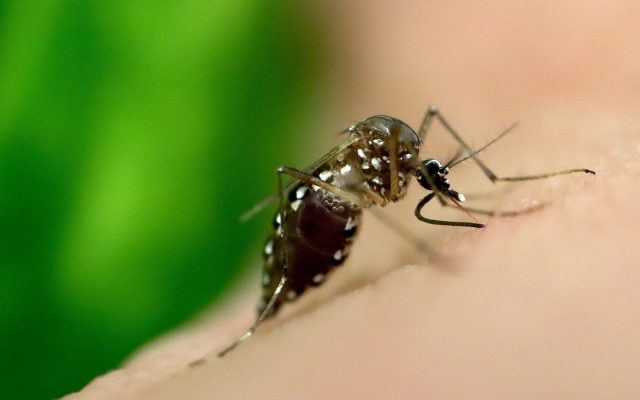
Why does this matter? Dengue is a major cause of illness in India, with 2,89,235 cases and 485 deaths recorded in 2023 and 1,21,824 cases and 131 deaths in 2025, according to the figures cited by Al Jazeera. There is no specific antiviral treatment, so prevention has relied on controlling mosquitoes. A vaccine adds a second tool, although it does not replace the need to remove breeding sites.
What should people do now? Anyone considering the vaccine should speak to a doctor, since the approval is for a defined age range and a defined schedule, and a history of dengue or other conditions may affect the advice. Public health authorities have not yet issued the guidance on who should be prioritised, and the sources reviewed for this article do not describe a government rollout.
The timing is relevant because dengue is rising in several parts of the country. Delhi reported 98 cases in the first week of October and 695 so far in 2026, and Tamil Nadu leads the national count, as reported in separate IndiaX24 articles.
The approval is a notable step, but its effect will depend on price, supply, the rollout plan and the results of the post-approval monitoring.
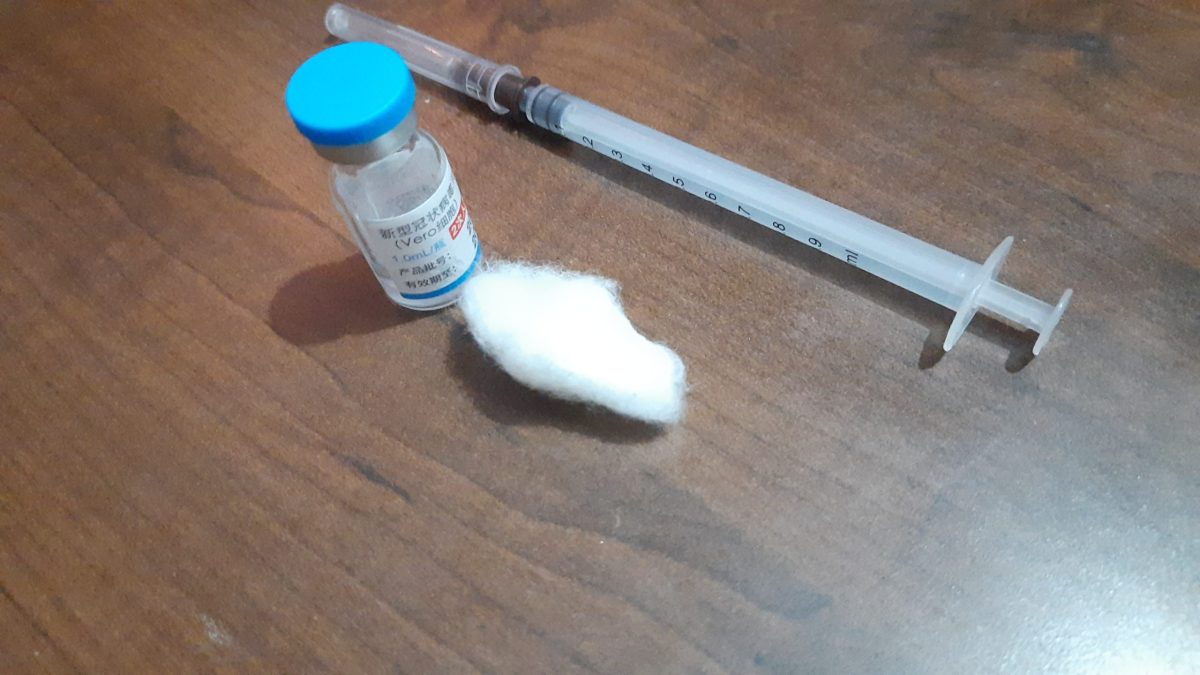
Featured image: A vaccine vial and syringe (file photo; a stand-in image of a COVID-19 vaccine, not Qdenga). Photo by Ajay Kumar Chaurasiya, licensed under CC BY-SA 4.0, via Wikimedia Commons.

Leave a Reply