
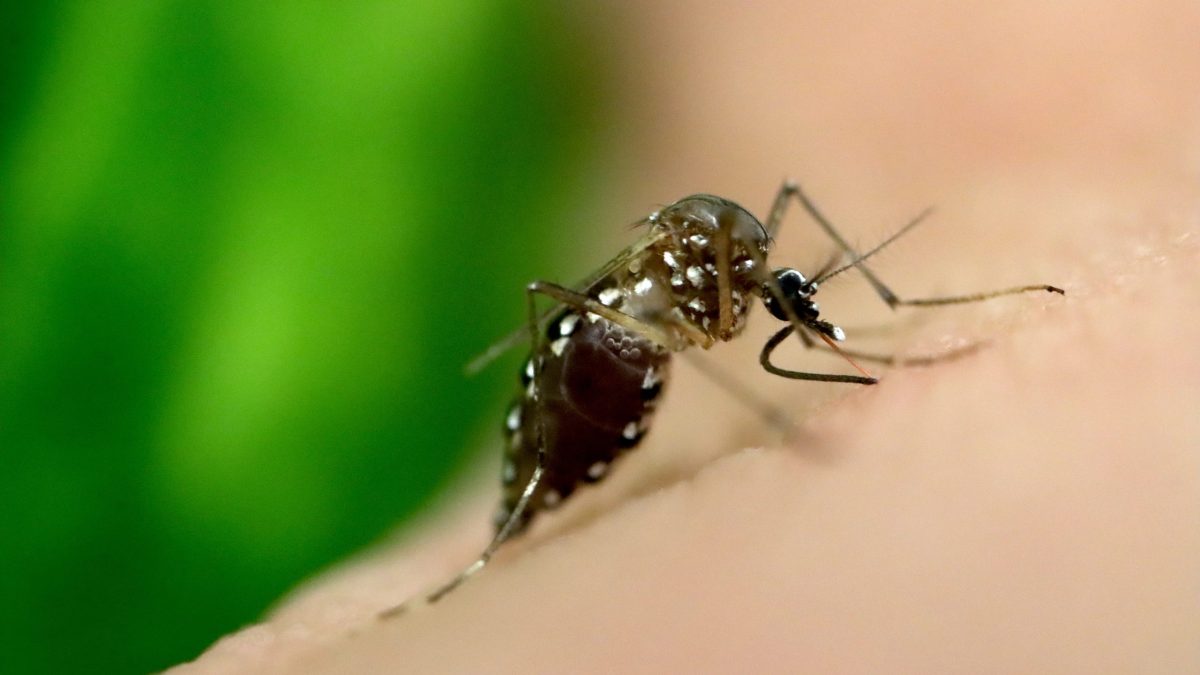
Dengue in India has moved beyond a seasonal illness, according to an analysis published by Al Jazeera on 11 June 2026. The report says that the transmission window for the disease is widening because of rising temperatures, erratic rain and rapid urbanisation, which allow the Aedes mosquito to survive and breed for longer periods of the year.
The numbers it quotes show how much the burden changes from year to year. India recorded 2,89,235 dengue cases and 485 deaths in 2023, which was the highest annual burden in recent years, 2,33,519 cases and 297 deaths in 2024, and 1,21,824 cases and 131 deaths in 2025. The fall in 2025 should not be read as a sign that the virus is retreating, because one expert quoted in the report warns that dengue transmission in India tends to fluctuate sharply from year to year.
For 2026, the report cites 6,927 cases in the first two months, which is more than the 6,837 cases recorded for the whole of January to May in 2021. Among states, Tamil Nadu has the highest number of infections in 2026 at 2,873 cases, followed by Maharashtra with 786, Kerala with 670 and Karnataka with 560. These state numbers are from the early part of the year, so the totals will have risen since then, and they should not be added to the Delhi numbers in other reports.
The reasons for the year-round pattern are given in the climate research the article cites. Optimal dengue transmission occurs at temperatures above 27 degrees Celsius with humidity between 60% and 78% and moderate, evenly distributed rainfall, while extreme rainfall can reduce transmission by flushing out breeding sites. Dr Harshdeep Joshi is quoted as saying that dengue is no longer restricted to the post-monsoon period and that the transmission window appears to be expanding.
A look at the latest figures shows the same change. Delhi, for instance, recorded 98 dengue cases in the first week of October 2026, with 286 cases in September, and Kerala has seen outbreaks of chikungunya in Thiruvananthapuram in August. Both diseases are spread by mosquitoes that breed in the same kind of standing water, so the same control measures apply.
Why does the change matter? When a disease peaks in a known season, hospitals and municipal bodies can plan for it. When it can occur at any time of the year, the planning has to be continuous, with regular checks for breeding sites, steady supplies of test kits and trained staff. The shift also raises the pressure on families, since the advice to remove standing water applies throughout the year.
The report also looks at vaccines, which are covered in a separate IndiaX24 article. Qdenga, made by Takeda, has been approved in India, the company Biological E is partnering with Takeda on local manufacturing, and two Indian candidates, DengiAll and TetraVax-DV, are in late-stage trials, according to the report.
There are limits to the data. Reported cases represent only those who are tested and notified, and surveillance differs from state to state, so comparisons between states reflect testing and reporting as well as disease. The figures are taken from the report as published, and readers who need exact current numbers should consult the National Centre for Vector Borne Diseases Control.
The main message from the analysis is that dengue is now a year-round risk in much of India, and that the weather conditions that favour it are becoming more common.
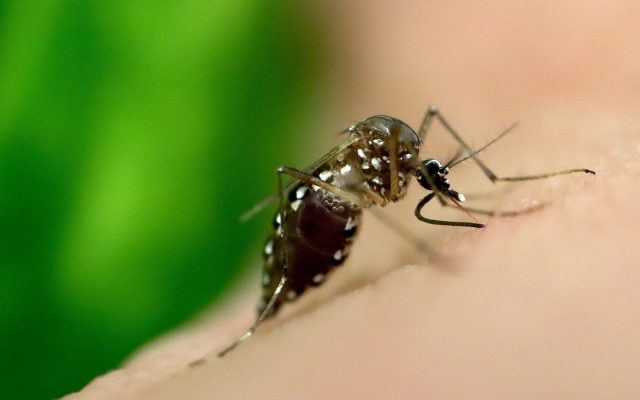
Featured image: A magnified Aedes aegypti mosquito taking a blood meal (file photo). Photo by NIAID, licensed under CC BY 2.0, via Wikimedia Commons.

Leave a Reply