
Retail investment through Systematic Investment Plans (SIPs) hit a record ₹32,490 crore in September 2026, according to data released by the Association of Mutual Funds in India (AMFI) on Monday, 12 October, The Hindu reported.
Quick Facts
| SIP inflow, September | ₹32,490 crore (record) |
| SIP assets | ₹17.86 lakh crore, 21.6 per cent of industry assets |
| Equity fund inflow | ₹38,306.55 crore, 67th straight month of inflows |
| Industry assets (AUM) | Down 5.1 per cent on the month to ₹82.64 lakh crore |
| New folios | 27.13 lakh, taking the total to 28.62 crore |
Why Assets Fell
AMFI said industry assets declined mainly because of outflows from debt funds and mark-to-market losses, even as SIP participation rose.
Equity Funds and Folios
Equity funds were the biggest contributor to folios, accounting for 66.7 per cent of the total, with about 17.70 lakh new folios in the month. AMFI chief executive Venkat N Chalasani said the industry added 27.13 lakh folios, a rise of just over 0.9 per cent from 28.35 crore in August.
Who Is Buying and Selling
- Foreign institutional investors remained net sellers in September
- Domestic institutional investors raised purchases to ₹76,030 crore from ₹58,268 crore in August
- Gold ETFs drew ₹4,451 crore, against ₹2,596.70 crore in August
- Silver ETFs drew ₹1,974.32 crore, against ₹1,270.63 crore in August
What AMFI Said
“External headwinds and global factors continue to weigh on investor sentiment,” Chalasani said, citing volatile crude prices, inflation concerns, rising US Treasury yields and developments in West Asia. He said investors may favour short-term debt funds as interest rates are expected to rise, since shorter-duration funds are generally less sensitive to rate changes.
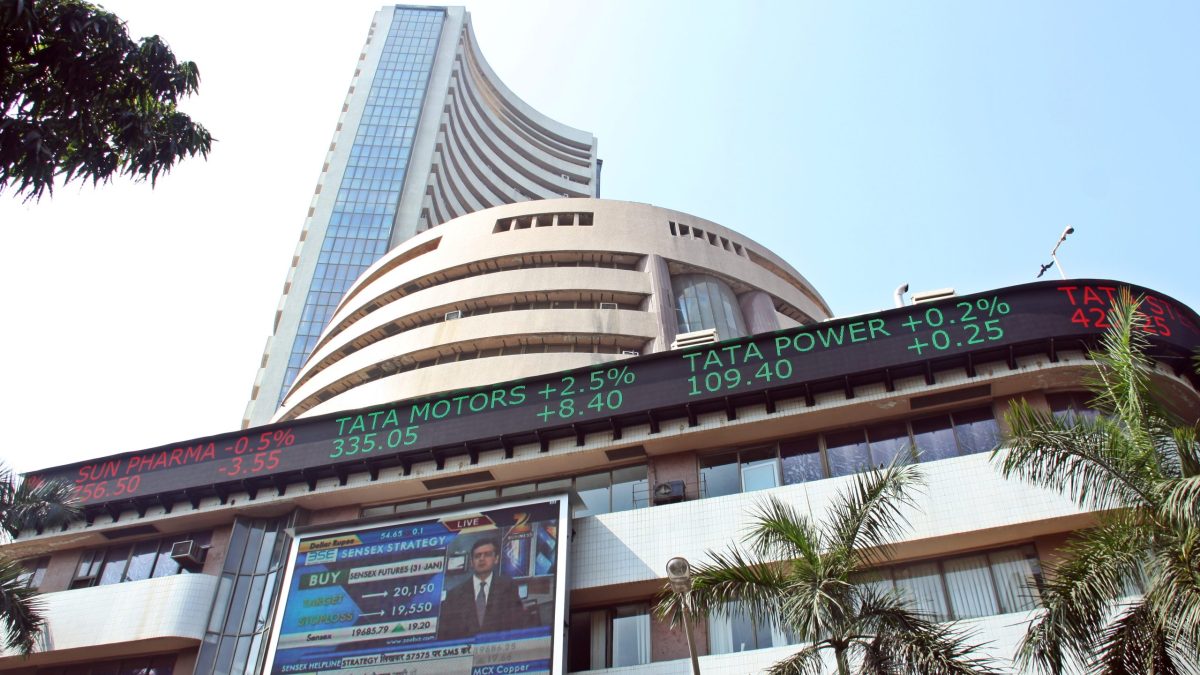
Featured image: The BSE building on Dalal Street in Mumbai, January 2013 (file photo). Photo by BSEINDIA, licensed under CC BY-SA 3.0, via Wikimedia Commons.




Leave a Reply