
In the summer of 1999 India and Pakistan fought a war on the frozen heights of Kargil, in what is now the Union Territory of Ladakh. It lasted about two months, was fought at altitudes of up to 18,000 feet, and ended with India regaining every position that had been occupied.
The intrusion
The two armies used to pull back from the highest posts along the Line of Control each winter. During the winter of 1998-99, Pakistani soldiers, mainly of the Northern Light Infantry and at first described by Pakistan as Kashmiri militants, crossed the line and occupied the vacated ridges in the Mushkoh, Dras, Kaksar and Batalik sectors.
From there they could fire on National Highway 1A, the road from Srinagar to Leh and the supply line to Ladakh and Siachen. The plan was made by the Pakistani army under General Pervez Musharraf.
It came only weeks after Prime Minister Atal Bihari Vajpayee had travelled by bus to Lahore in February 1999 and signed a declaration of peace with Nawaz Sharif.
Timeline
- 3 May 1999: Local shepherds reported strangers on the heights near Batalik.
- Mid-May: Patrols sent to check were ambushed; the scale of the intrusion became clear.
- 26 May: The Air Force began strikes, code-named Operation Safed Sagar. The Army’s campaign was Operation Vijay.
- 13 June: Tololing, overlooking Dras, was captured after weeks of fighting. It was the turning point.
- 4 July: Tiger Hill was taken.
- 7 July: Point 4875 in Mushkoh was captured.
- 26 July: The Army announced that all intruders had been evicted.
The fighting
Indian infantry had to climb steep, bare slopes at night against defenders dug in above them. Artillery, especially the Bofors guns, made the assaults possible. The government ordered the forces not to cross the Line of Control, which limited their options but won India international support.
The cost
India lost 527 soldiers. Pakistan’s losses are disputed; it long denied that its regular army was involved.
The Param Vir Chakra
Four soldiers received India’s highest gallantry award:
- Captain Vikram Batra, 13 JAK Rifles (posthumous)
- Lieutenant Manoj Kumar Pandey, 1/11 Gorkha Rifles (posthumous)
- Grenadier Yogendra Singh Yadav, 18 Grenadiers
- Rifleman Sanjay Kumar, 13 JAK Rifles
The diplomacy
Both countries had tested nuclear weapons a year earlier, and the world watched with alarm. The United States and other powers held Pakistan responsible. On 4 July Nawaz Sharif met President Bill Clinton in Washington and agreed to withdraw. In October 1999 Musharraf overthrew Sharif in a military coup.
What changed in India
The Kargil Review Committee, headed by K. Subrahmanyam, found serious failures of intelligence and surveillance. Its recommendations led to changes in intelligence, border management and defence organisation, including, two decades later, the post of Chief of Defence Staff. The high posts are now manned through the winter.
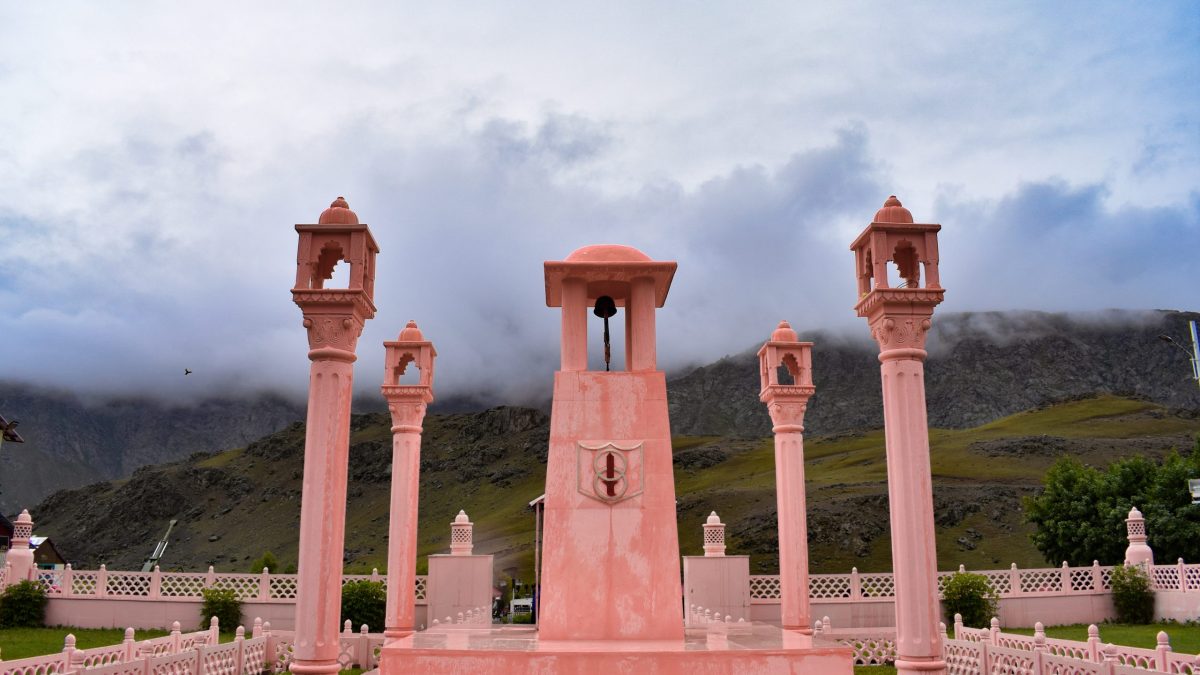
26 July is observed as Kargil Vijay Diwas. The war memorial at Dras, below Tololing, carries the names of the fallen.
Image: The Kargil War Memorial at Dras in Ladakh. Photo by Reflectionsbyprajakta, licensed under CC BY-SA 4.0, via Wikimedia Commons.



