
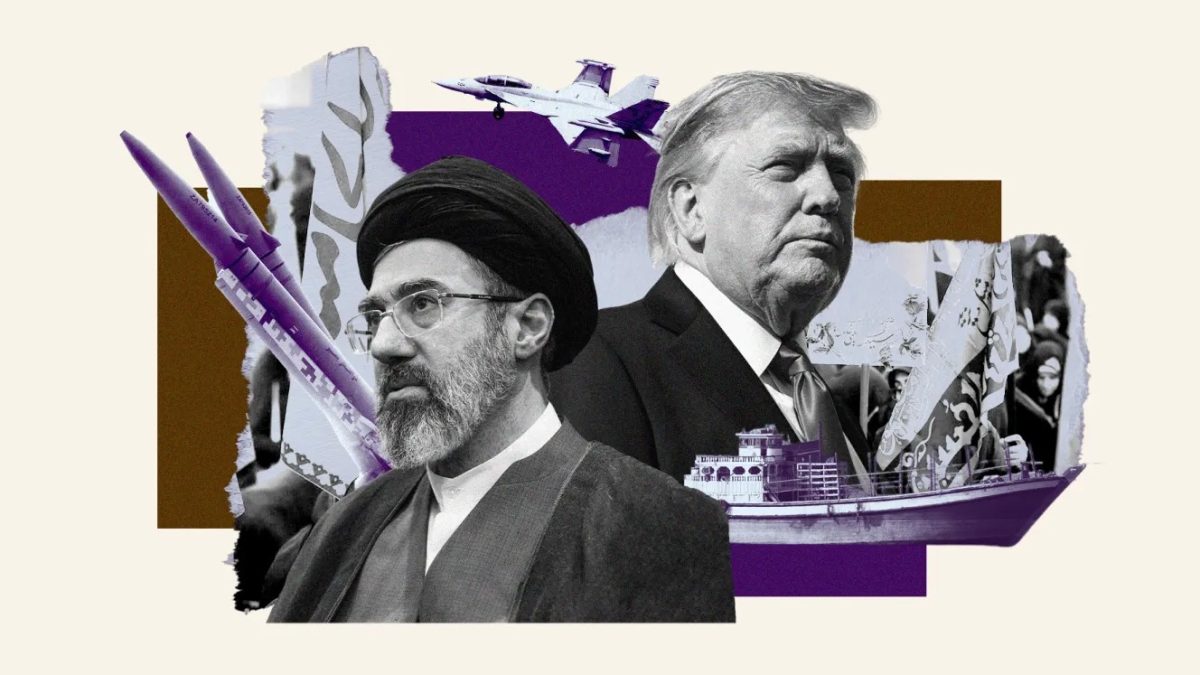
President Donald Trump said on Fox News on 25 October that he must decide whether to reach a deal with Iran or escalate, asking, "Do I make a deal with them, or do I finish them off?", according to CBS News. The war, which the United States and Israel began on 28 February, has now lasted about eight months, with a Pakistan- and Qatar-brokered interim deal in June that was meant to reopen the Strait of Hormuz, lift the American naval blockade and start nuclear talks. A US blockade of Iranian ports continues, and Brent crude rose above $117 a barrel on 23 October from under $97 at the start of the month. On 26 October senior officials from Saudi Arabia, Pakistan and Turkey met Iranian officials in Tehran.
The argument that a deal is within reach starts with the diplomacy. The Tehran meeting included Saudi Defence Minister Khalid bin Salman, the Pakistani army chief Asim Munir and the Turkish intelligence chief Ibrahim Kalin, and reports said Iran, Saudi Arabia, Pakistan and Turkey agreed to keep talking. Iran has told mediators through Pakistan, according to one report, that it would reopen the strait if Washington lifted the naval blockade, and Oman said its talks with Iran produced an outline for free navigation. Prices respond to hope: Brent fell during Tuesday's session on expectations that the war could move towards a resolution, and Kotak Neo showed December futures at $110.95 at about 3.36 pm on 27 October, down from above $117 four days earlier. The June deal also shows that a settlement can be reached even after heavy fighting.
The argument that a deal is far off rests on the positions and on events at sea and in Arabia. Trump rejected the blockade offer, according to the report, and US ambassador to the United Nations Mike Waltz said the blockade can last "for the foreseeable future" and that the war could last another year. Iranian state television claimed that "non-compliant" ships had been completely stopped, which has not been independently verified, while Admiral Brad Cooper of US Central Command said more than 3,000 commercial vessels had passed with US military support over six months. Houthi strikes closed Riyadh's airport for over two weeks, with reports of 13 to 17 deaths, and Saudi Arabia postponed two major conferences to 2027. Fighting between the Houthis and Saudi Arabia resumed in July after Yemen's truce broke down, and the Houthis said they attacked Riyadh's airport again on 25 October, which the Saudi-led coalition said it intercepted as a ballistic missile.
The question matters beyond the Gulf because about 20 percent of global oil supply passed through the strait before the war, and Saudi Aramco says its East-West pipeline can now move 7 million barrels a day, up from 2 million, around the chokepoint. For India, which imports most of its crude, a Brent price above $110 raises the oil bill, weakens the rupee and adds to inflation, which is why the market watches each statement. American midterm elections on 3 November add a political clock for Washington.
The war has become a stalemate that neither side can easily end. Whether Trump chooses a deal or escalation will move oil, markets and diplomacy.


Leave a Reply