



India’s National Quantum Mission has an outlay of Rs 6,003.65 crore over eight years and aims to develop capabilities in quantum computing, quantum communication, quantum sensing and quantum materials, according to a summary of the mission. Search results from 2026 describe a series of milestones, though most of them were seen only in summaries and not in full reports.
The headline for computing is a machine called Indus. In April 2025, QpiAI, a Bengaluru start-up supported under the mission, launched what it called India’s first full-stack 25-qubit superconducting quantum computer, according to the summaries. A follow-on processor with 64 qubits, named Kaveri, was announced with commercial availability targeted for 2026, but the sources reviewed do not say whether that target has been met.
A government laboratory route exists too. The Defence Research and Development Organisation and the Tata Institute of Fundamental Research in Mumbai have demonstrated a 6-qubit quantum processor, according to the same summaries. A qubit is the unit of quantum information, and the number of reliable qubits is one of the main measures of how powerful a quantum computer is.
In communication, the summaries report that in April 2026 the government announced that India had demonstrated a quantum-secured communication network over 1,000 kilometres using indigenous technology developed by QNu Labs, a start-up incubated at IIT Madras and funded under the mission. Quantum-secure communication uses the properties of quantum physics to detect any attempt to intercept a message. The sources do not describe the technology used, the exact route or the data rates.
The mission sets targets by stages. It aims to develop intermediate-scale quantum computers with 20 to 50 physical qubits in three years, 50 to 100 physical qubits in five years and 50 to 1,000 physical qubits in eight years, across platforms such as superconducting and photonic technologies. The 25-qubit Indus computer falls in the first range, and the 64-qubit Kaveri would fall in the second.
The mission is organised through thematic hubs and research initiatives, according to one report headline, and a Swarajya piece on the mission notes that India still imports some of the lasers it needs, which points to supply chain gaps. The details of those two items could not be read for this article, so they are mentioned as areas to watch and not as findings.
Why does quantum technology matter? Quantum computers could in principle solve certain problems, such as simulating molecules or optimising complex systems, much faster than ordinary computers, and quantum communication could provide new forms of secure messaging. The technology is at an early stage, and the number of qubits is not the only measure, because error rates also determine whether a machine is useful.
There are reasons for caution. Claims about the first full-stack machines or about network distances are often made by the developers, and independent verification is usually published later in journals. The sources reviewed do not include independent assessments of the Indian devices, so their performance cannot be compared with international systems here.
The quantum mission shows India building a position in a field that is still being defined, with products from start-ups and public laboratories, and the targets for the next few years will show whether it can scale from tens of qubits to hundreds.
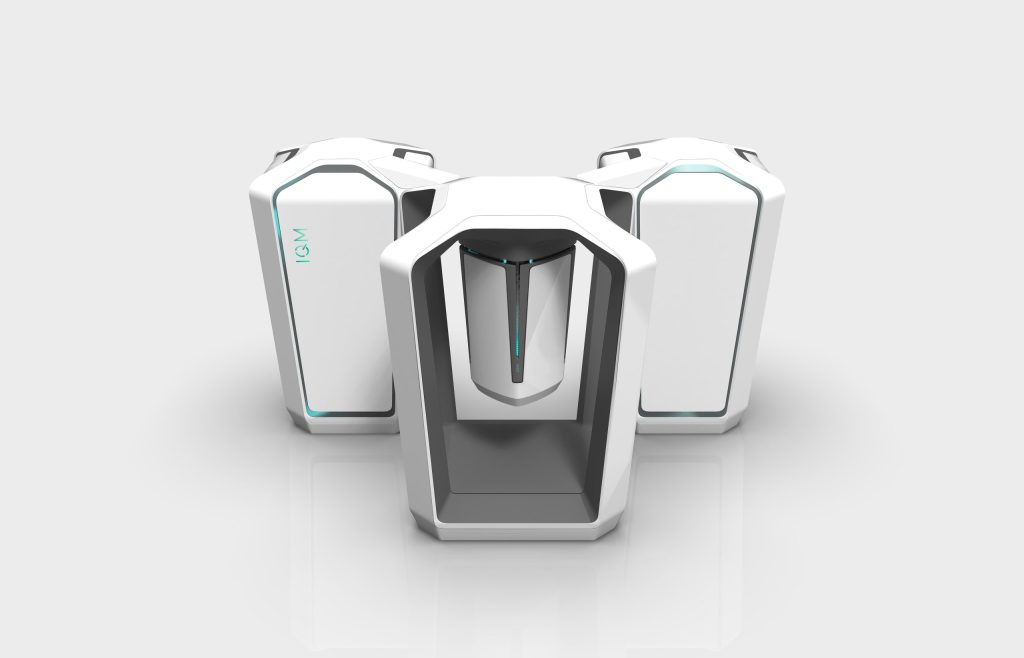
Featured image: A quantum computer (file photo, IQM in Finland; a stand-in image, not an Indian machine). Photo by Ragsxl, licensed under CC BY-SA 4.0, via Wikimedia Commons.