



Dixon Technologies has signed a joint venture agreement with Taiwan’s Gemtek Technology to make optical transceivers in India. The agreement was signed on 7 October 2026, after a binding term sheet signed on 9 June 2026, according to a report by Swarajya. The joint venture company is called Dixon Electroconnect Private Limited, and Dixon holds 60% of it while Gemtek holds 40%.
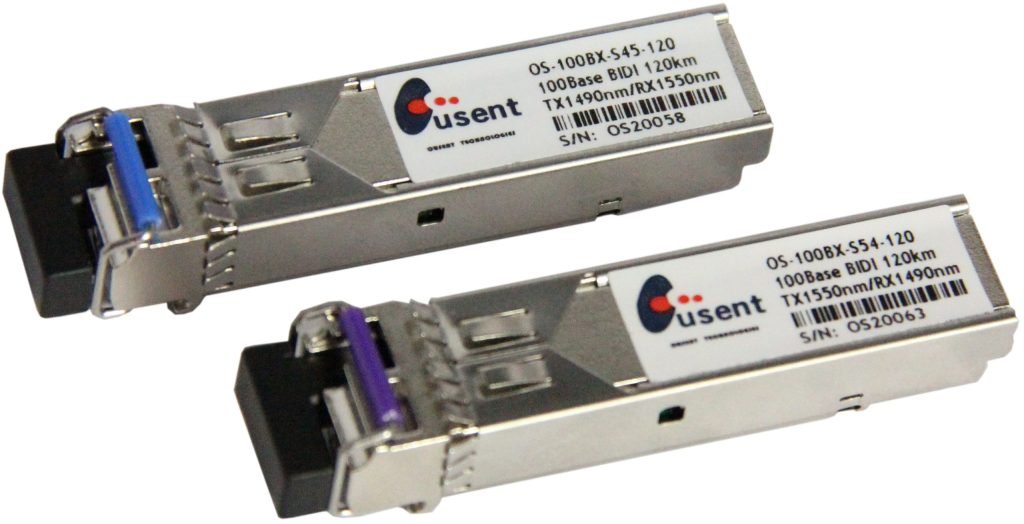
The products are optical transceivers of the small form-factor pluggable type, known as SFP, and bidirectional optical subassembly modules, called BOSA, along with other telecom products that the partners may agree on. Optical transceivers convert electrical signals to light and back, so that data can travel over fibre cables between servers, switches and telecom equipment.
The timeline is given in two parts. Production of the optical transceivers and BOSA modules is scheduled to start by the fourth quarter of FY27, which is the January to March 2027 period, and the transaction is expected to be completed by 3 February 2027. The reports do not give a production capacity or an investment amount, and none of the sources reviewed provides the location of the plant beyond saying that it will be in India.
The ownership and control are set out. Neither company will acquire a stake in the other as part of the transaction. Dixon has the right to nominate three of the five directors, Gemtek two, and Dixon will nominate the chairman, so Dixon keeps operating control. Gemtek, a Taiwan-based company, brings expertise in optical modules and telecom infrastructure.
The reason for the move is demand from data centres. Swarajya describes it as an effort to capture demand driven by AI, cloud computing and hyperscale data centres, and to set up a local supply chain for components that are now imported, as the report puts it. A Digitimes roundup of the same week, which could not be read in full because of a paywall, described Gemtek as supplying the optical know-how behind Dixon’s move into the data centre market.
Dixon is best known as a contract manufacturer of consumer electronics, such as televisions and phones, and the report describes the joint venture as part of its expansion into higher-value networking components. For the company, optical modules offer a way into the equipment that goes inside the data centres that other IndiaX24 reports describe as being built across the country.
Why does this matter for India? Optical transceivers are used in data centres to link servers by high-speed connections, and the report says that the components are now imported. Making them at home would reduce that dependence and give the electronics manufacturing sector a product tied to the AI build-out.
The caveats are clear. The agreement is signed but the transaction is not complete until February 2027, and production is only planned for the last quarter of FY27. Optical modules are a competitive global market with established makers, and the sources do not say who the customers will be or how large the volumes might be.
For now, the venture is a sign that Indian manufacturers are moving from assembling consumer products toward components for the AI and telecom infrastructure, and the plans can be judged when the plant starts production.
Featured image: A bidirectional SFP optical transceiver, the kind of product the joint venture will make (file photo; not a Dixon product). Photo by OUSENT, licensed under CC BY-SA 4.0, via Wikimedia Commons.