


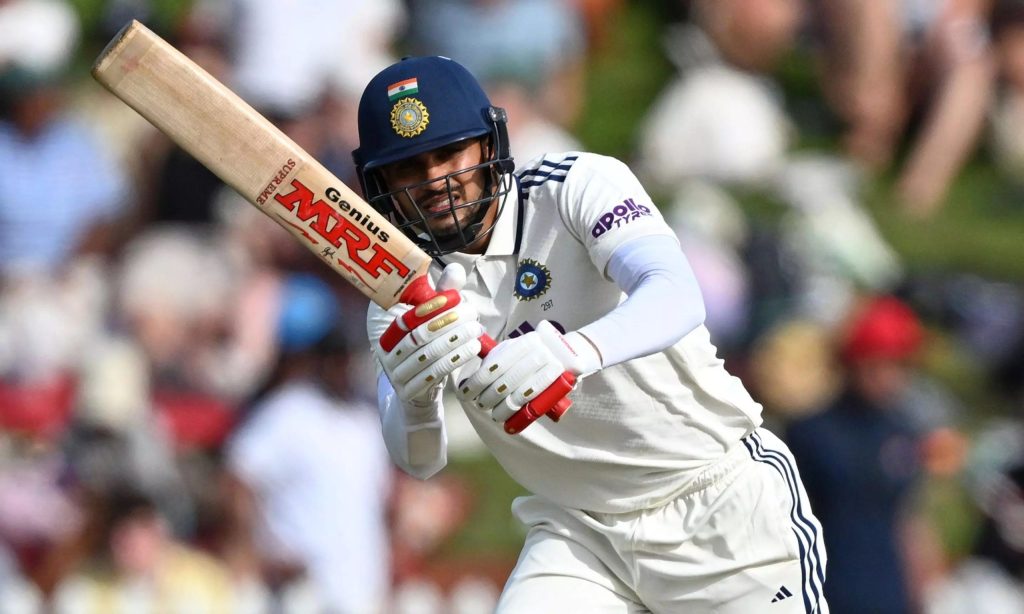
India captain Shubman Gill on Monday, 23 November 2026, urged the International Cricket Council (ICC) to revisit its ban on using saliva to shine the cricket ball, saying that the Kookaburra ball has been getting softer very quickly and making life increasingly difficult for bowlers in unhelpful conditions. His comments came after the first Test against New Zealand ended in a draw, with New Zealand batting out 75 overs on the final day on a largely unresponsive surface. It was a match in which neither side could force a result, and it gave Gill a chance to raise a technical issue that has divided opinion in the game.
New Zealand scored just 120 runs for the loss of three wickets on the last day and finished on 239 for five, as the contest settled into what The Hindu described as an extended period of attritional cricket. For the Indian bowlers, it was a long and unrewarding day, in which wickets were hard to come by and the ball offered little help. Gill said later that the bowlers had been asked to deliver close to 250 overs in the drawn contest, a workload that left the team management deciding to cancel a planned team activity in Christchurch.
On the saliva ban, Gill did not hold back. "We are way past Covid times. There was a rule that you can't apply saliva to shine the ball. It's been 7-8 years now, I still don't understand why they are not allowing it," he said. He added that he believed teams should be allowed to use saliva, since the rule had been made effective during Covid and "we are long past that". Gill's remarks reflect a view held by many bowlers that it has made the sport more difficult for them.
His second point concerned the quality of the ball itself. "Our first ball, I think after 25-30 overs, the ball became very soft. I think they also complained," Gill said, referring to the New Zealand players. He said India had experienced the same problem in England and that in the first three to four matches of that series the team had been given a slightly different ball at the Oval. "I don't know if the quality of the balls has come down or what happened," he said. "But in such conditions, if there is no help from the wicket, and the ball also becomes soft, then it becomes very difficult for the bowlers to take wickets."
Gill explained the effect on the game in specific terms. A soft ball, he said, does not carry the edges, so catches behind the wicket and to the slips become harder. "They don't carry the edges. So, the caught-behind dismissal becomes harder. If there is not so much movement in the pitch, then the LBW remains on hold," he said. In other words, when a pitch offers no help and the ball loses its hardness early, two of the main ways of taking wickets are largely taken away from bowlers. That is the heart of his argument that the combination of a flat surface, a soft ball and no saliva leaves the bowlers with little to work with.
He also argued that saliva could help teams maintain the condition of the ball for longer. "The condition of the ball, if you're not shining the ball or if you're not able to maintain the ball well, especially on wickets like these, it makes the job of the bowlers very difficult," he said. Gill acknowledged that a ball will naturally go soft eventually. "Ideally, we understand after 50 overs, the ball obviously will go soft," he said. "But if the ball is going soft after 25-30 overs or it's going out of shape and you're also not able to maintain the ball and use saliva, then it's a very difficult job for the bowlers." The distinction he draws is between normal wear after 50 overs and a ball that deteriorates in half that time.
The debate over saliva is a long-standing one. Supporters of lifting the ban argue that saliva helps one side of the ball stay shiny, which assists swing and reverse swing and so gives bowlers a better chance against batters, especially on flat pitches. Opponents note that the rule was introduced for health reasons during the pandemic. Gill's intervention, as captain of India in a Test series, adds weight to the call and may encourage other captains and bowlers to speak out, though the ICC has not responded to his comments in the report.
The comments also reflect the balance between bat and ball, a theme that cricket administrators discuss regularly. If batters can score easily on flat surfaces and bowlers lack tools to take wickets, draws and high-scoring matches become more likely, and critics say that makes Test cricket less exciting. Gill's remarks suggest that he believes the ball, and the rules on caring for it, are part of the problem, rather than only the pitch. Whether the ICC agrees will depend on its cricket committee and the member boards, which typically review playing conditions after consultation with players and umpires.
On the practical side, the team looked after its bowlers. Gill said that the players deserved a break after the prolonged effort in the field. "Our bowlers have put in so many overs, we will definitely take them (out for a dinner). We had a team activity but after bowling so many overs it stands cancelled," he said. The gesture shows the captain's awareness of the physical toll on the pace attack, who had bowled close to 250 overs across the match, and the importance of keeping them fresh for the rest of the tour.
For India, the draw means the series remains open, and the team will look to find ways to take 20 wickets in the next match. That challenge may depend as much on conditions and the ball as on tactics, which is why Gill's remarks have attracted attention. For New Zealand, the final day was a success in terms of survival, as the batters held out against a determined bowling attack on a surface that offered little. Both teams now move on, with the question of how to force a result on flat pitches still unanswered.
Whether the ICC takes any notice remains to be seen. Changes to the playing conditions require a formal process, and the ban on saliva has been in place for several years. But captains' public statements can influence discussions at the ICC, and Gill's argument is likely to resonate with bowlers around the world. If more teams complain about the Kookaburra ball and the ban, the ICC could be asked to review both. For the moment, Gill has put the issue on the agenda, and the cricketing world will be watching for a response.