


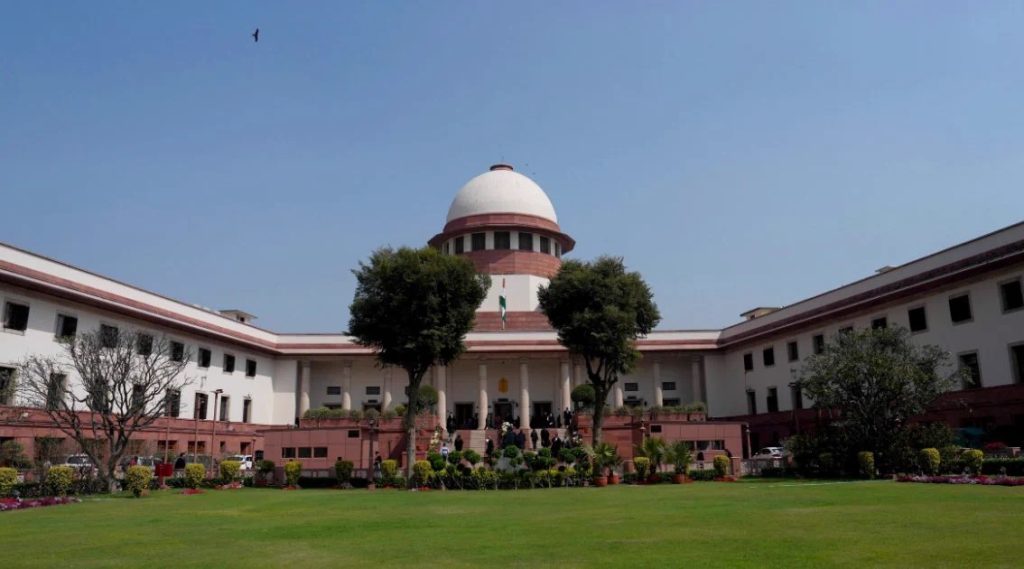
The Supreme Court is due to hear on 28 October a plea asking the Election Commission to publish the names of Delhi voters who received notices during the Special Intensive Revision of the electoral roll, along with the grounds, according to Siasat. Advocate Prashant Bhushan raised the matter for the petitioners before a bench headed by Chief Justice Surya Kant and including Justice Joymalya Bagchi. The draft roll published on 31 August removed about 47.7 lakh names from a total of about 1.45 crore, and notices went to about 33 lakh voters. About 97.5 lakh voters remain in the draft, the verification deadline is 29 October and the final roll is due on 4 November, so the hearing falls in the last week in which a court order could change what voters see.
The argument that the process is lawful and workable begins with the court's own record. On 27 May the Supreme Court upheld the legality of the Special Intensive Revision, and in July it said that the exercise is limited to electoral purposes and cannot decide citizenship or access to welfare. The Election Commission said that over 43.32 lakh of those removed had shifted or were absent at enumeration, over 2.82 lakh were dead and over 1.41 lakh were registered in more than one place, which are ordinary reasons for cleaning a roll. The Delhi High Court has also held that the fear of a false declaration when using Form 6 to restore a deleted name is misplaced, which gives a removed voter a route back onto the roll.
The argument that the safeguards are insufficient comes from the same numbers. The petitioners say the Commission has not disclosed who received notices or why, nor explained the category of logical discrepancies, so a voter cannot know why a name was flagged. At the earlier hearing in September, Bhushan said notices had gone to 33 lakh of the 47 lakh people, according to the Deccan Herald. Form 6 is designed for new registration, and former Chief Election Commissioner S. Y. Quraishi has said that deleted voters cannot lawfully use it, so the route back is disputed. With about a third of the roll removed, even a small share of wrongful deletions would affect lakhs of people. The Supreme Court itself directed in May that cases of exclusion must have ways of being adjudicated.
The case matters for every state where the revision is under way, since the roll decides who can vote in future elections. It also feeds a wider political argument, as protests demanding the removal of Chief Election Commissioner Gyanesh Kumar have continued in the capital since 2 October. An order to publish the notice list would make the process more open to scrutiny, while a refusal would leave the burden on each voter to prove eligibility within days, because the verification period ends on 29 October and the final roll arrives on 4 November. The 97.5 lakh names that remain are about 67 percent of the original 1.45 crore, and the hearing comes seven days before the final roll on 4 November.
The Court has already allowed the revision but asked for ways to redress exclusion. Whether disclosure of notices becomes one of them is the question before it now.