



The Union Cabinet approved the creation of the Integrated Transport and Logistics Authority on 6 October 2026, according to Free Press Journal. The body, known as ITLA, is a special purpose vehicle, and its job is research, planning, appraisal, monitoring and impact assessment for the transport and logistics sectors. One search summary quotes the government as saying that it will address long-standing challenges arising from fragmented planning and implementation across multiple transport-related ministries and agencies.
The central task is a long-term plan. ITLA will prepare a National Transport Master Plan covering a period of ten years or more, and the plan will take in roads, railways, ports, shipping, civil aviation, inland waterways, coastal shipping, urban mobility and logistics. Having one plan for all of these is meant to replace separate plans by separate ministries, which can lead to overlap or gaps.
The authority will also scrutinise projects. It will do the technical appraisal of the central government’s infrastructure projects that cost Rs 500 crore or more, according to the reports, while existing mechanisms will continue to handle the financial appraisal. That divides the work: a project would be checked by ITLA for its technical and planning merits, and by the existing bodies for its financial viability.
Data is another part of its role. The authority will build a data repository that brings together information from the GSTN e-way bills, FASTag, Vahan, GPS systems and urban traffic management systems, according to the Free Press Journal. These systems record the movement of goods and vehicles across the country, so combining them could show where traffic and freight actually flow, though the report does not say how privacy and access will be handled.
The expected benefits are stated in general terms. The report says that ITLA should strengthen multimodal connectivity, improve the efficiency of infrastructure and reduce logistics costs. It does not give numbers for the savings, and the sources reviewed do not report a budget for the authority.
What is not known is substantial. The report does not say which ministries will be represented, who will head the body or how it will relate to existing institutions that deal with infrastructure and logistics, and it does not give a quotation from a minister. The Cabinet decision is the approval, and the rules of the authority will follow.
Why does it matter? India’s transport sector is run by several ministries, including those of road transport, railways, ports, civil aviation and urban affairs, and projects are planned and cleared separately, which is the fragmentation that the government statement refers to. A single planning body is an attempt to coordinate them, but whether it can do so depends on its powers.
The decision was taken at the same Cabinet meeting as a Rs 10,000 crore SME Growth Fund and a resolution on 25 years of Prime Minister Narendra Modi’s leadership, both of which are covered by IndiaX24. The timing shows the range of items that the Cabinet clears in a single meeting.
Because the authority is a special purpose vehicle, the next steps are its registration, staffing and the first master plan, and those milestones will show how quickly it becomes operational.
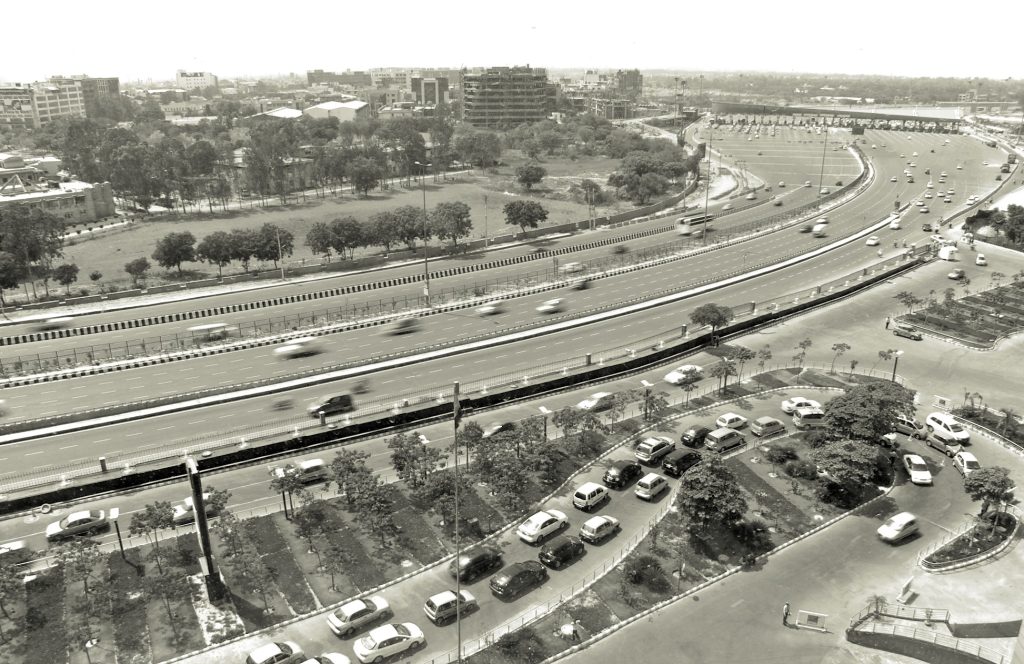
Featured image: A highway near Gurgaon (file photo; a stand-in image for transport infrastructure). Photo by kevin rawlings, licensed under CC BY 2.0, via Wikimedia Commons.