



Defence cooperation is the part of the India-US relationship that has proved most resilient during the dispute over tariffs. Defence Minister Rajnath Singh and US Secretary of Defense Pete Hegseth agreed to firm up a 10-year framework to expand defence and strategic ties, and the Pentagon confirmed that the two countries would sign the next framework. The document is meant to deepen defence industrial collaboration, improve interoperability and speed up US sales to India, according to reports. It would succeed the framework signed in 2015 and give both countries a longer planning horizon.
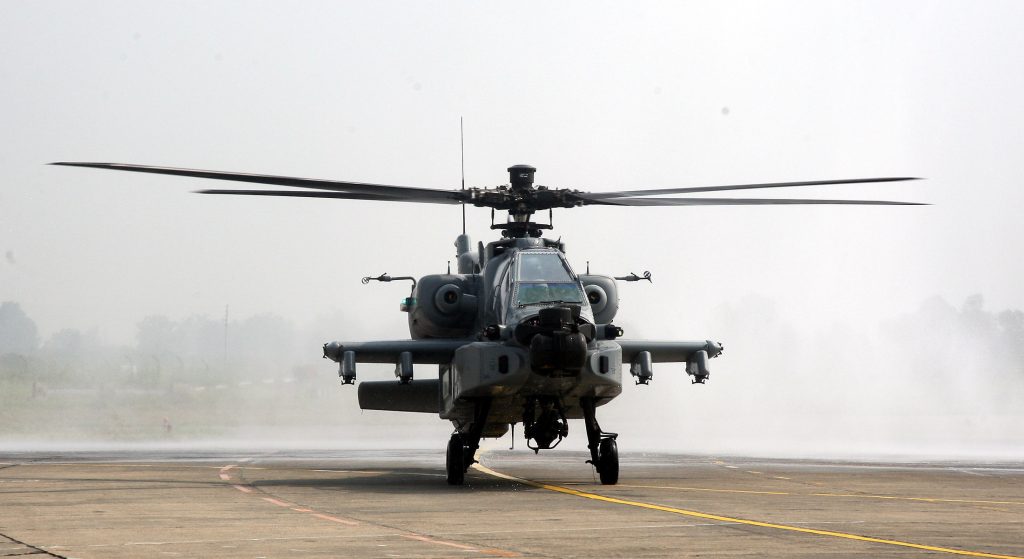
A number of large deals depend on it. Major pending US defence programmes include engines for India’s Tejas fighter, namely the GE F404 and F414, Apache helicopters, P-8I maritime patrol aircraft, Javelin anti-tank missiles and Stryker armoured vehicles, according to ThePrint. During a February 2025 meeting between Trump and Prime Minister Narendra Modi, both sides agreed to pursue new procurements and co-production projects, including Javelin and Stryker. India’s priority is technology transfer and local manufacturing rather than outright purchase, so negotiations on how much production can be done in India have been slow and detailed.
Delays have caused frustration in Delhi. Singh pressed for faster delivery of GE F404 engines for the Tejas programme and urged GE Aerospace to conclude agreements for F414 engine production in India in a joint venture with Hindustan Aeronautics Limited, according to reports. The Tejas is central to the Indian Air Force’s plans to replace ageing fighters, so every month of delay affects its squadron strength. The Indian side has raised the supply problems directly with US counterparts, according to the reports on the talks, and the delivery schedule remains a central test of how much the partnership can deliver in practice.
The connection between trade and defence is hard to ignore. India’s commitment under the February 2026 interim trade framework to buy $500 billion of US energy, aircraft, technology and other goods over five years includes aircraft and aircraft parts, though the joint statement does not itemise defence purchases. Commentators in both countries argue that a stable defence partnership gives each side a reason to settle trade disputes, while others warn that it makes India dependent on one supplier. India continues to buy from Russia, France and Israel as well, and has said that it will keep a diversified base of equipment.
For India, the practical test of the partnership is delivery: engines, missiles and vehicles actually arriving or being built in the country. For Washington, the test is whether India can be counted on as a partner in the Indo-Pacific while it also takes part in groupings such as BRICS. So far the pending deals have not been reported as cancelled. If the 10-year framework is signed and the main contracts are concluded, it would be the clearest evidence yet that the two governments can compartmentalise their disagreements and keep security ties separate from trade disputes.
Featured image: An AH-64E Apache attack helicopter during its induction into the Indian Air Force, September 2019. Photo by Indian Air Force, licensed under Government Open Data License – India, via Wikimedia Commons.