


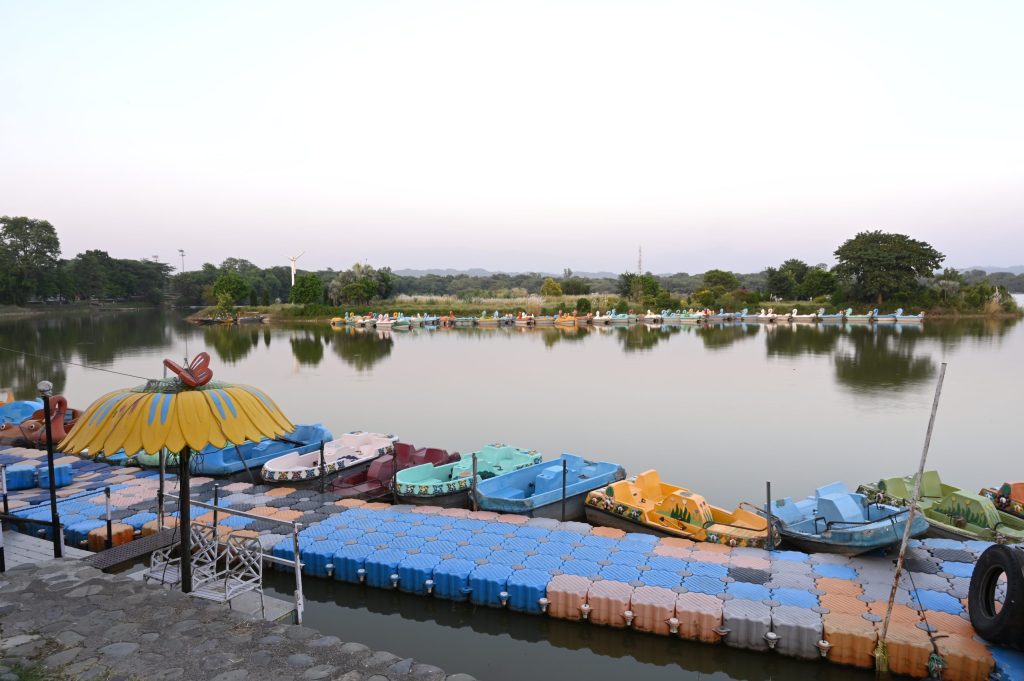

Sukhna Lake has been designated Chandigarh’s first Ramsar site, bringing India’s total number of wetlands of international importance under the Ramsar Convention to 103, according to ThePrint. The lake is a 68-year-old man-made reservoir, built in 1958, which spreads over 493 acres. It was declared a wetland in 2020, and the designation rests on the 1971 Ramsar Convention on Wetlands and the Wetlands (Conservation and Management) Rules, 2017. De-silting work was carried out in June 2026. The designation puts the lake on the international list of wetlands, but KBS Sidhu, a former Punjab Special Chief Secretary, said that “the real measure of this recognition will not be a certificate, but whether Sukhna’s water, birds and catchment are better protected ten years from now.”
The case that the designation is an important step starts with what it adds. A Ramsar listing is an international recognition of a wetland’s ecological value, and Sukhna is now one of 103 such sites in India, so Chandigarh joins a national network of protected wetlands. The lake is a landmark of the city, built in 1958 and covering 493 acres, and the recognition adds attention and obligations to look after it. The state already took steps before the designation: the lake was declared a wetland in 2020, and de-silting took place in June 2026, which shows that the authorities had begun to deal with its main problem. International recognition often brings more scrutiny of how a site is managed, which helps those who want it protected.
The case that the designation is not enough is made by the condition of the lake. Siltation and erosion have cost it more than 50 percent of its water-holding capacity, ThePrint reported, which means that a reservoir built to hold water for decades has lost over half of its ability to do so. De-silting in June 2026, only four months before the designation, addressed part of the problem, but the silt comes from the catchment, so it can return unless the hills around the lake are protected. Sidhu’s quote makes the same point: that the value of the recognition will be judged by what happens over the next ten years, not by the certificate. The article also noted that other wetlands in the region face sewage, pollution and too much agricultural runoff, which shows how widespread these problems are.
The designation matters for the city and for India’s wetland conservation because wetlands store water, recharge groundwater and support birds, and many of them are shrinking under pressure from silt, sewage and development. For Chandigarh, the listing is a reminder of a duty to protect a reservoir that has been part of the city for 68 years. For the country, 103 Ramsar sites show a growing list, and the lake’s condition shows that a listing is the start of management, not the end.
Sukhna Lake now has an international label and a serious silt problem. Whether the next decade brings clearer water and healthier birdlife will show if the recognition was worth more than a certificate. For now, the recognition is a beginning.
Image: Sukhna Lake, Chandigarh, in the evening (file photo). Photo by Navneet Sharma, licensed under CC BY-SA 4.0, via Wikimedia Commons.