


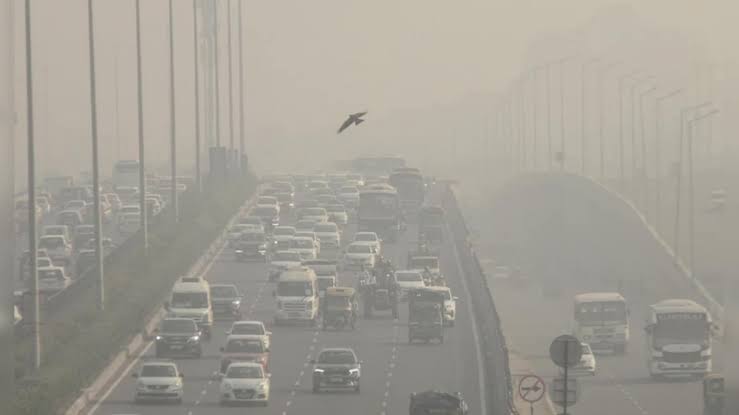
Delhi's air quality moved into the "poor" category this week, with the air quality index at 229 on 28 October after 197 the previous day, and it was reported at the same level on 29 October, according to reporting on Central Pollution Control Board data. One monitoring station recorded a "very poor" reading, with the index above 300, ending a four-day stretch of "moderate" air. Stage I of the Graded Response Action Plan, the first level of restrictions, has been in force across Delhi and the National Capital Region since 21 October. The change comes as temperatures fall and winds weaken, conditions that trap pollutants close to the ground and that make late October the start of the city's worst season for air.
The argument that the situation is serious rests on health and on the direction of the season. An air quality index in the poor range can cause breathing discomfort for people with lung or heart disease, children and older residents, and a reading above 300 at even one station shows how quickly pollution can spike in particular neighbourhoods. The change from 197 to 229 in a single day, and the end of the moderate streak, show how fragile the recent improvement is. The restrictions of Stage I are the mildest level of the plan, and stricter stages exist for days when the readings rise further. With Diwali on 8 November and its firecrackers, along with colder nights, the next weeks are likely to bring higher readings, and the daily numbers are already worse than comfortable for the many millions who live in the region. Climate Trends, a Delhi-based research group, also noted that the move to "poor" on the day of its report ended four days of "moderate" air, a reminder that the improvement can reverse within hours.
The counterargument is that this year's data show some improvement and challenge the usual explanation. An analysis by the research group Climate Trends, reported by The Hans India, found that farm fires in Punjab and Haryana in September and October numbered 193 in 2026, down 4 percent from 201 in 2025, while Delhi's average air quality index fell 15.8 percent from 169.3 to 142.6. The number of days with an index above 200 dropped from 10 to 3, and no day exceeded 300, compared with a peak of 353 a year earlier. The analysis also found that fires fell 88 percent between 2024 and 2025 while Delhi's index improved by only 3.9 percent, which suggests that local sources such as traffic, construction dust and industry play a larger role than the blame on stubble burning implies. The report cautioned, however, that the median index rose 14.1 percent, from 135 to 154, which means the ordinary day got slightly worse even as the extreme days eased.
The question matters because the remedy depends on the diagnosis. If farm fires are not the main cause, then the government of Delhi and the neighbouring states must do more on vehicle emissions, road dust, waste burning and industrial fuel, which are within their own control, instead of pointing to farmers in other states. Residents, meanwhile, are left to cope with the consequences: air purifiers and masks are costly, and those who work outdoors, such as delivery workers and street vendors, have no way of avoiding exposure. Children, older people and those with asthma are advised to limit time outdoors when readings are in the poor range, and schools and employers are often asked to adjust outdoor activity. The need for reliable, public data on sources and a plan that applies throughout the year, and not only in winter, is clear.
Delhi's air has slipped into the poor range at the start of the season, but the data show that last year's farm-fire explanation is incomplete. The real test will be whether authorities act on local sources before the readings climb further.