


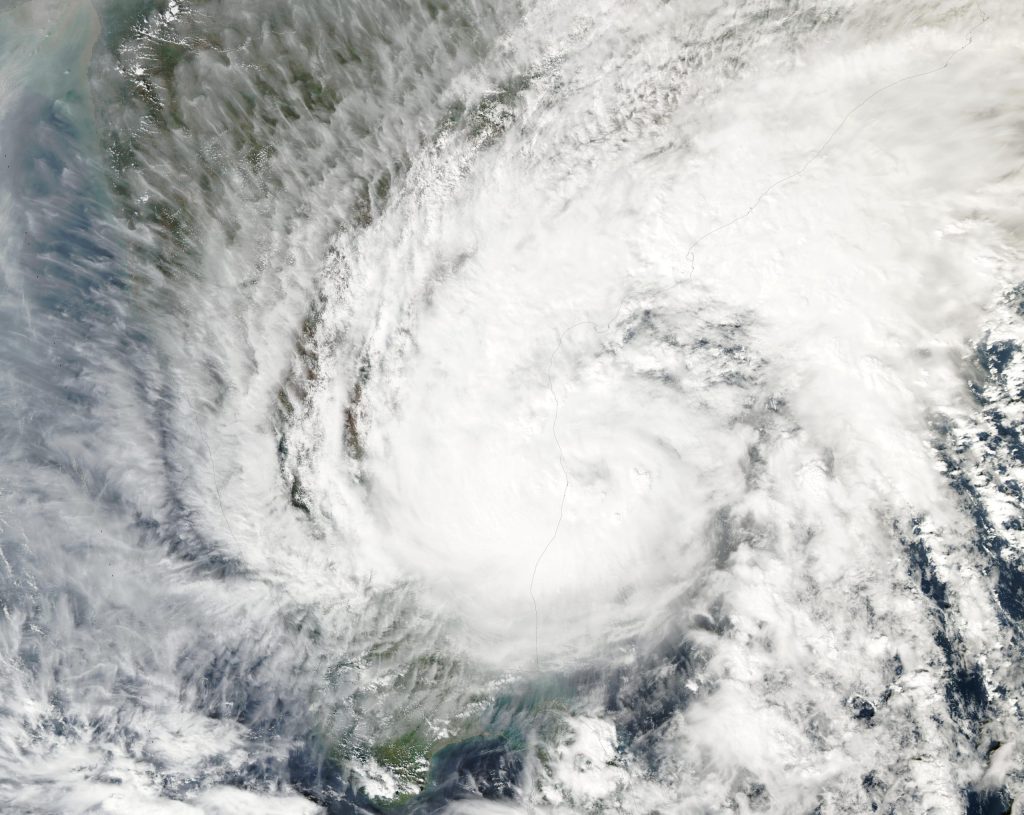
Cyclone Arnab crossed the Andhra Pradesh coast in the early hours of Wednesday, 28 October, bringing winds of up to 135 km/h and heavy rain to the state's coastal districts. The India Meteorological Department said the storm came ashore on the Andhra Pradesh and Yanam coasts, near Narsapur in West Godavari district, as a very severe cyclonic storm, the third-highest category on its scale, before weakening to a severe cyclonic storm as it moved inland. At least three people were killed. More than 180,000 people had been moved out of danger in Andhra Pradesh and Odisha a day earlier, and more than 12 million people live in the storm's expected path.
The case that India's preparation worked is strong. Authorities set up more than 2,000 cyclone shelters across 20 districts of Andhra Pradesh, sent emergency alerts to millions of mobile phones, secured more than 30,000 fishing boats and deployed nearly 1,100 medical teams before the storm arrived, according to an Associated Press report. The evacuation of at least 180,000 people from Andhra Pradesh and Odisha took place a day before landfall, which gave families time to reach shelters. The storm also weakened slightly before it hit land, and the death toll of three, reported by Narendra Singh Bundela, a senior official of the National Disaster Response Force, is low for a storm of this strength that crossed a coast with millions of residents.
The counterargument is that the damage was still considerable, and that the figures are likely to rise as assessments continue. Chief Minister N Chandrababu Naidu wrote to Union Home Minister Amit Shah that at least 180 houses had been destroyed and 220 trees brought down, according to Al Jazeera. Two of the deaths were attributed to a falling tree and electrocution, which shows that dangers remain after the winds ease. Power supply was disrupted in several areas, trees fell across highways, flights and train services were cancelled and schools were closed. The weather office also forecast a storm surge of up to 1.5 metres above the normal tide, which was expected to flood low-lying areas, and warned of heavy to extremely heavy rain with a risk of floods and landslides in vulnerable districts. The storm also reached land earlier than first expected, a reminder that timing remains hard to predict.
The effects of the cyclone reach beyond one state. Odisha moved more than 30,000 people to safety and reported uprooted trees but no major damage in the first reports, while heavy rain was forecast for parts of southern Odisha. Farther away, Nepal suspended trekking permits for three days and warned tourists to avoid high-altitude areas because of possible downpours and avalanches, and Sri Lanka closed schools and warned of flash floods. For Andhra Pradesh, the next stage is restoring power, clearing roads and compensating families who lost homes, tasks that will test the state's relief system as the rain continues.
Cyclone Arnab shows that early evacuation can limit loss of life even when a powerful storm hits a densely populated coast. The final cost, in homes, crops and livelihoods, will only become clear in the coming days as the rain eases and the damage surveys are completed.
Featured image: Satellite view of Cyclone Michaung, which struck the same coast in 2023 (file image; this is not Cyclone Arnab). Photo: MODIS Land Rapid Response Team, NASA GSFC, Public domain, via Wikimedia Commons.