


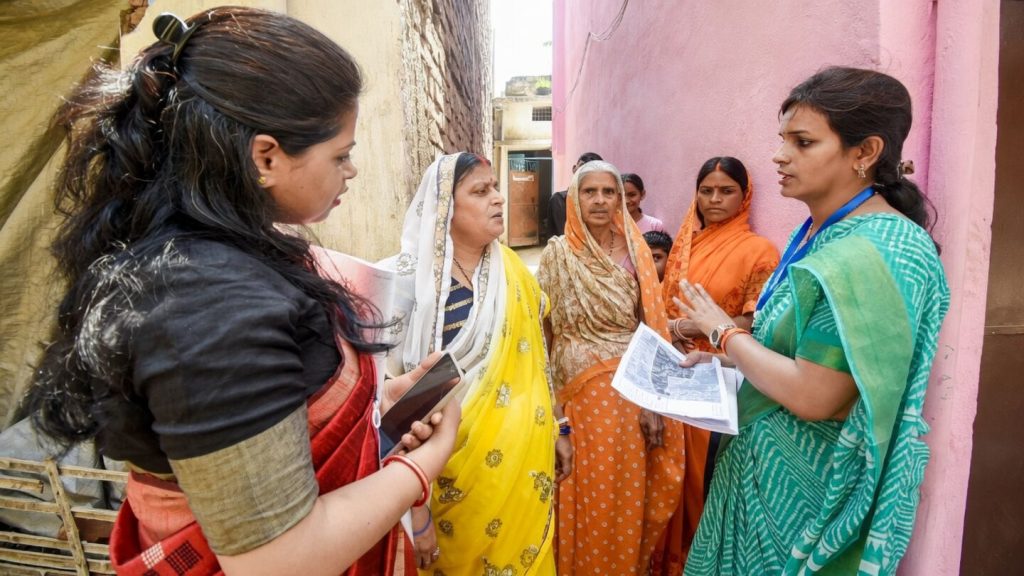
India’s Census 2027 is the country’s first fully digital census and it is being conducted in two phases. The first, the House Listing and Housing Census, runs from 1 April to 30 September 2026, with each state or union territory doing about 30 days of field work within that window. The second, Population Enumeration, is scheduled for February 2027, although in Ladakh and in the snow-bound areas of Jammu and Kashmir, Uttarakhand and Himachal Pradesh it takes place in September 2026. The first phase has 33 questions. Nearly 30 lakh officials will collect the data with a specially developed mobile application, and the Union government approved a budget of Rs 11,718.24 crore.
The argument that the census is better prepared than earlier ones rests on its design. Citizens can complete the form themselves in 16 languages during a 15-day window before the houselisting begins in their state or union territory, and a successful submission generates a Self-Enumeration ID that is shown to the enumerator during the visit. The Digital Layout Map app geo-tags every building in each block, and the houselisting app is used by enumerators on their own phones. The government has said the apps will not collect personal data about residents in the houselisting phase. In Tamil Nadu, field operations ran from 1 August to 30 August with 1.15 lakh enumerators on duty, which shows how the schedule has been staggered by state. Caste details will be collected in the second phase, the first time they will be recorded since 2011.
The counter-argument is that the exercise raises questions about timing and trust. The reports on the first phase are not fully consistent: one source describes it as a month-long exercise while the official schedule runs for six months, and one source says population enumeration begins in September 2026 in some regions while others say February 2027. Caste data were last recorded in 2011 but were not fully published because of concerns about accuracy, so the new caste enumeration will be watched closely for how the data are collected and released. A digital process also depends on the reliability of the app, the network and the training of about 30 lakh enumerators, and on residents’ willingness to use self-enumeration. The census is also tied to the delimitation debate, since the opposition wants the process postponed until new census data are available.
The census matters because it is the basis for policy, for the distribution of resources and for the drawing of constituencies. The last census was in 2011, so the figures used by governments for planning are now more than a decade old. New data on households, housing, population and caste will affect everything from welfare schemes to the number of seats that states hold in Parliament. The cost of Rs 11,718.24 crore is large, but the information will be used for many years.
Census 2027 is a large and technically new exercise, and the second phase will be the more sensitive one. The accuracy of the count and the way caste data are handled will decide how far the results are accepted.