


Severe anaemia was observed in less than 2% of people in the majority of age groups, according to a survey by the Indian Council of Medical Research (ICMR), the findings of which were released on Monday, 23 November 2026. The Survey for Assessment of Markers of Population Health, Activity, Diet and Anthropometry (SAMPADA) 2023-2025 offers a new, large-scale picture of anaemia in India, and its numbers are lower than those of earlier national surveys, which has already sparked discussion about how the figures should be read.
The survey reports prevalence by age and sex. Children aged 12 to 59 months had 42% anaemia prevalence, adolescent girls aged 10 to 19 years had 46%, and adolescent boys aged 10 to 19 years and men aged 20 to 59 years had 22-23%. Women of reproductive age had the highest prevalence at 56%. The survey also found that mild anaemia constitutes a substantial proportion of the overall anaemia burden: about half of anaemic women, including pregnant and lactating women, adolescent girls and children have mild anaemia, which indicates, according to the report, a considerably lower risk of serious health consequences than moderate or severe anaemia. Among adolescent boys, adult men and older men, prevalence is much lower, and even among those affected, three-fourths have only mild anaemia, according to the release issued by the Union Health Ministry.
SAMPADA is described as one of the largest and most comprehensive nutrition surveys undertaken globally. It covered more than 2 lakh individuals from over 81,000 households across 183 districts in 35 States and Union Territories. More than 1.7 lakh blood samples were analysed for haemoglobin estimation across different age, sex and physiological groups. The scale gives the survey national representativeness, with estimates across children, adolescents, adults, pregnant and lactating women and older adults, together with detailed information on micronutrient deficiencies to evaluate potential causes of anaemia.
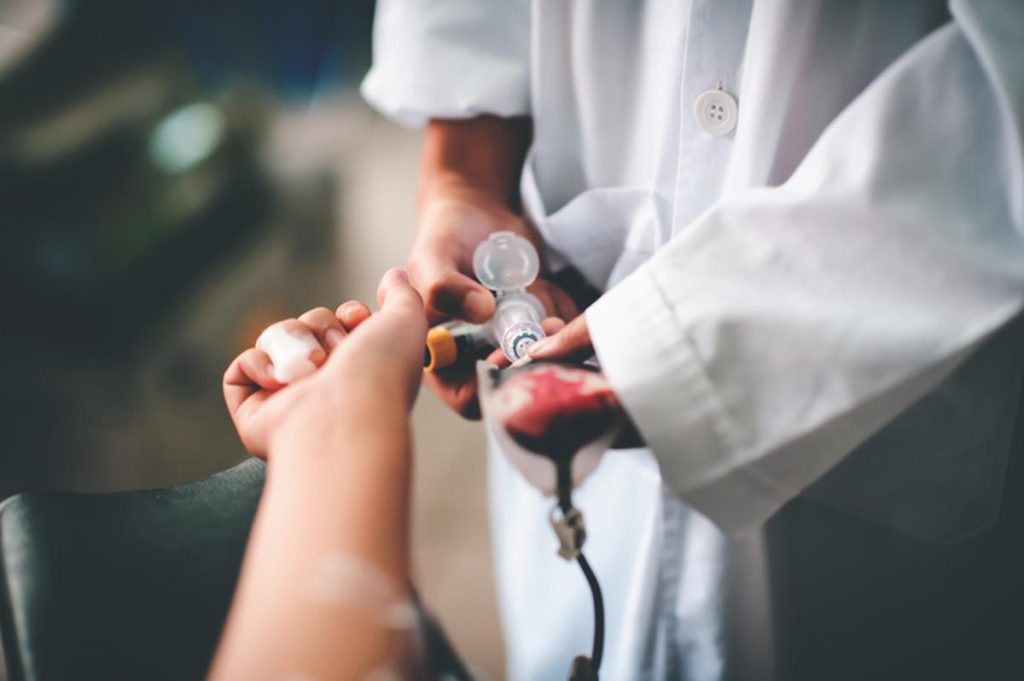
One feature that the survey's authors emphasise is the method. "A major strength of SAMPADA is the use of gold standard method of venous blood sampling and automated analysers for haemoglobin estimation, providing greater accuracy and reproducibility," the release said. In a sub-sample, the survey also assessed iron status, folate, vitamin B12, together with inflammatory biomarkers C-reactive protein (CRP) and alpha-1-acid glycoprotein (AGP), to obtain national-level prevalence estimates. The choice of method can influence the reported level of anaemia, which is relevant when comparing surveys. The Hindu's separate report on the data said it claims a drop in prevalence across age and gender groups compared with earlier surveys.
The comparison with the National Family Health Survey-5 (NFHS-5) is where the debate begins. According to the data put out by the Ministry of Health and Family Welfare, among children the prevalence has dropped to 41.8%, against the NFHS-5 figure of 64%. Among women, it has dropped to 56% from 57%; among pregnant women, the current survey puts it at 44%, down from 52%; and among men, SAMPADA says anaemia has dropped to 19% from 25% in NFHS-5. These are differences between surveys that used different methods and populations, and the Hindu's headline described them as claims of lower prevalence rather than established declines. Researchers will need to examine whether the difference reflects real improvement, the new sampling method, or both.
The Department of Health Research Secretary, Rajiv Bahl, took the positive view. "It is encouraging that prevalence of anaemia is lower in SAMPADA compared to previous national surveys," he said. "The comprehensive anaemia profiling in the SAMPADA survey provides an evidence base to strengthen the ongoing national efforts towards Anaemia Mukt Bharat." The government's Anaemia Mukt Bharat programme, which the survey refers to, and its next phase, AMB 2.0, are the policy framework in which the results will be used.
The findings on causes are among the most policy-relevant. Iron deficiency accounts for about half of the anaemia cases in women, adolescent girls and children, the report said. The micronutrient assessment showed that although iron deficiency is the predominant contributor to anaemia in vulnerable population groups, it accounts for about half of the overall anaemia burden, which highlights the need to address multiple nutritional and non-nutritional causes simultaneously, including infections, haemoglobinopathies and inflammation related to chronic disease. The survey also found that the prevalence of vitamin B12 and folate deficiency was similar in both anaemic and non-anaemic individuals across population groups, indicating a limited contribution of these micronutrient deficiencies to anaemia in India.
Iron deficiency is concentrated in specific life stages and in moderate and severe cases. SAMPADA findings show that iron deficiency is largely restricted to under-five children, adolescent girls and women of reproductive age, while adolescent boys, men and the elderly have a low prevalence of iron deficiency. Importantly, people with moderate and severe anaemia have a high prevalence of iron deficiency and need to be identified through testing, treated appropriately and tracked until the condition resolves, as envisaged in AMB 2.0, according to the report. In practical terms, that means that blanket supplementation may not be the answer for everyone, and that targeted testing could help to direct treatment to those who need it.
Bharati Kulkarni, director of ICMR-NIN, said the findings "support more targeted, population-specific and life-course approaches to anaemia prevention and management." She added that the evidence can contribute to policy while "also identifying areas where further research and improved surveillance are required." That is a reminder that the survey is not the last word: it provides estimates, and the remaining gaps in knowledge will need follow-up studies.
What should readers take from the numbers? First, anaemia remains widespread among women and children, with more than half of women of reproductive age and about two in five young children affected, according to the survey. Second, most of the cases are mild, and severe anaemia is rare, which changes the urgency of different interventions. Third, iron deficiency is only about half of the story, which means programmes that rely only on iron and folic acid tablets may miss other causes. And fourth, comparisons with NFHS-5 should be made with care, because survey methods and populations may differ, and the headline of improvement should be tested against further evidence.
For families, the practical message is that anaemia is common but treatable, and that testing helps in finding the cause. For health workers, the survey suggests a shift towards identifying moderate and severe cases and following them until they recover. For policymakers, it provides a detailed baseline from which to design the next phase of Anaemia Mukt Bharat, and it raises questions about how to reconcile the new data with previous surveys. As the findings are studied by independent researchers in the coming weeks, the debate about what they mean for India's progress against anaemia is likely to continue.