


The Reserve Bank of India raised its policy repo rate by 25 basis points to 5.50 percent on 7 October 2026, after a Monetary Policy Committee meeting held from 5 to 7 October. It was the first increase since February 2023 and it changed the committee's stance from neutral to calibrated tightening, which means the next move can only be a hike or a pause. The decision ended a long easing phase in which the central bank cut the rate by 125 basis points during 2025, from 6.5 percent to 5.25 percent, and then held it there for four meetings. The next policy review is scheduled for 2 to 4 December 2026.
The case for raising rates starts with prices and oil. Retail inflation rose to 4.8 percent in August from 4.5 percent in July, and the RBI lifted its forecast for consumer price inflation in 2026-27 to 5.2 percent from 5.0 percent. Brent crude has moved above 100 dollars a barrel, which raises the cost of fuel and transport across the economy. Core inflation, which leaves out food and fuel, stood at 4.2 percent in August, and the committee noted that price increases are spreading to more items. The economy can also bear a tighter policy, because growth in the April to June quarter was 7.8 percent and the RBI raised its 2026-27 growth forecast to 7.1 percent from 6.7 percent. Acting early, supporters say, keeps inflation expectations from drifting higher.
The case against the hike is that the main source of pressure is oil, and a higher repo rate does nothing to lower the price of crude. Inflation of 4.8 percent in August was still inside the central bank's tolerance band of 2 to 6 percent, and core inflation of 4.2 percent is close to the 4 percent target. Growth is already strong at 7.8 percent, so critics argue that the economy was not asking for a brake, and that higher borrowing costs could slow investment and home buying just as demand is firm. The hike is small, reversing only one fifth of the 125 basis points cut last year, but lenders including SBI, PNB, HDFC Bank and Bank of Baroda have reportedly raised their benchmark lending rates from 8 October, so borrowers will feel it at their next loan reset.
The decision matters for households, companies and the government. Home, car and business loans linked to the repo rate will cost more, and fixed deposit holders may see better returns in the months ahead. For a country that imports most of its oil, the decision is also a message that the RBI will defend price stability and the rupee even when growth is strong. Global conditions point the same way, since major central banks including the US Federal Reserve have also been raising rates, and a wide gap in interest rates would make it harder to hold foreign capital.
The RBI has chosen to act before inflation spreads further, accepting a small cost to borrowers in exchange for credibility. Whether it was wise will depend on oil prices and food prices over the coming weeks, and the December meeting will show whether this was a single move or the start of a cycle.
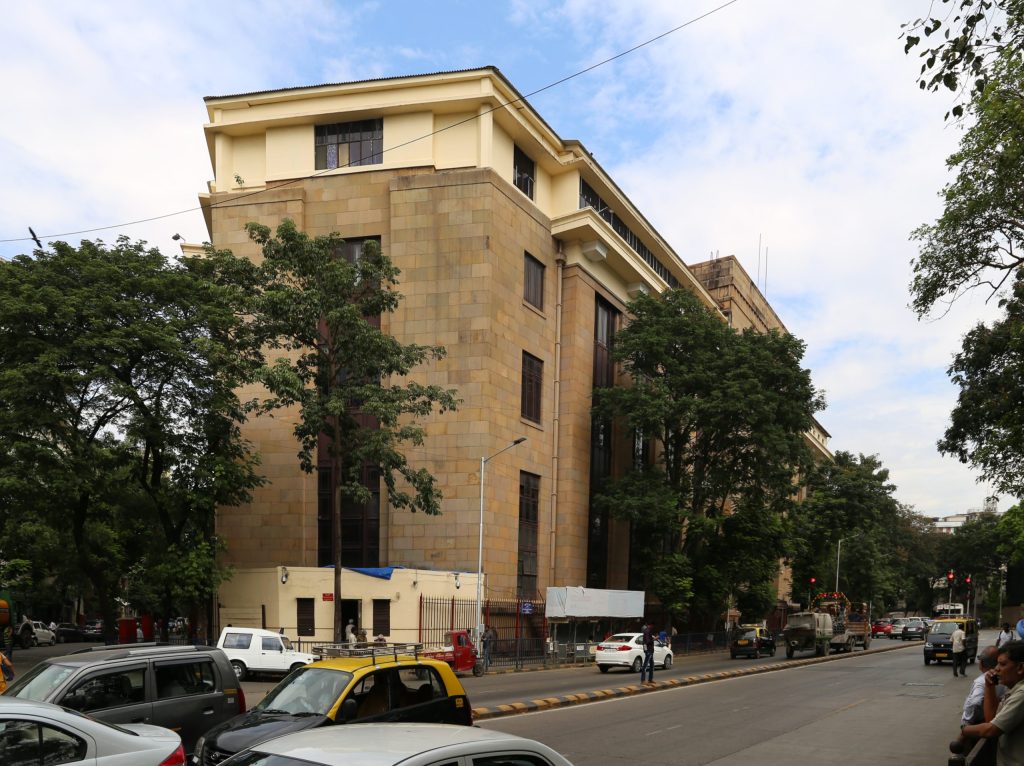
Featured image: The Reserve Bank of India building in Mumbai (file photo). Photo: Sailko, CC BY 3.0, via Wikimedia Commons.