


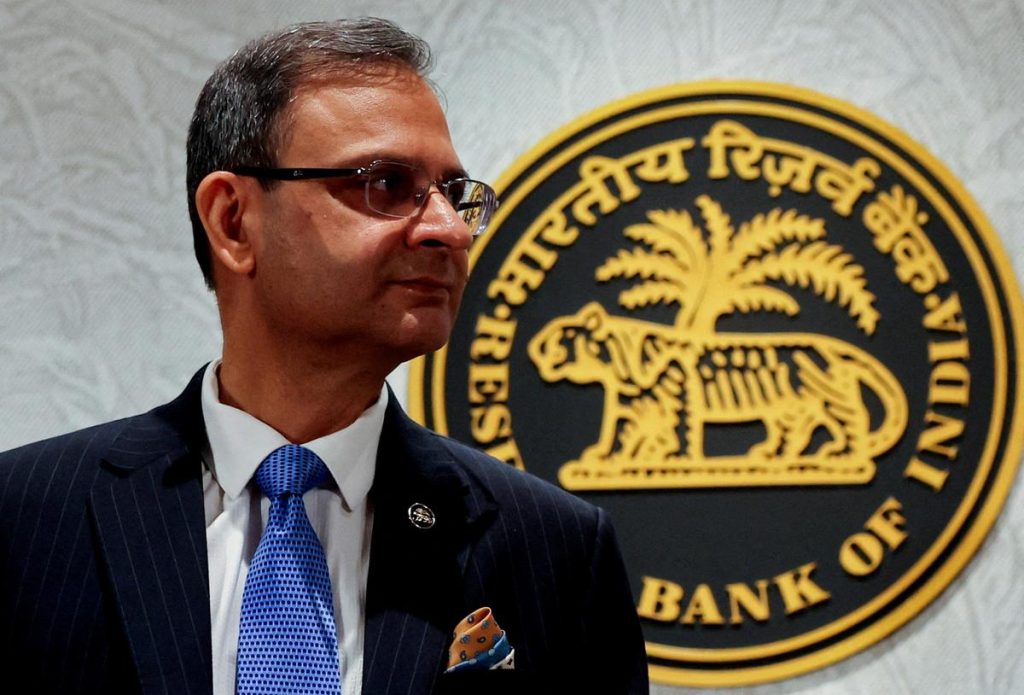
The Reserve Bank of India raised its policy repo rate by 25 basis points to 5.50% on 7 October, ending a long pause and delivering its first rate increase since February 2023. The six-member Monetary Policy Committee voted unanimously for the move, according to reports on the policy announcement, and changed its stance from neutral to calibrated tightening. Governor Sanjay Malhotra said further rate cuts are off the table for now and that future action will be either another hike or a pause. The central bank had cut rates by 125 basis points during 2025 to 5.25 percent and held them there for four meetings before this decision. The standing deposit facility rate stays at 5.25 percent, while the marginal standing facility rate and the bank rate rise to 5.75 percent.
The argument that the hike was necessary rests on prices and on the oil market. The RBI now projects consumer price inflation of 5.2 percent for 2026-27, up from 5.0 percent, with the quarterly path peaking at 6.0 percent in the October-December quarter, which touches the upper edge of its tolerance band of 2 to 6 percent around a 4 percent target. The inflation data released five days after the decision supported that caution: retail inflation reached 5.54 percent in September, with food inflation at 7.74 percent, according to the Ministry of Statistics. Brent crude has climbed from $71.32 a barrel on 27 February to $123.10 on 27 October, according to US Energy Information Administration data, which raises India's import bill and pushes up transport and fertiliser costs. With the economy growing 7.8 percent in April-June, the committee could argue that the economy can absorb a higher rate, and that acting early protects the credibility of the inflation target before price pressures spread.
The case against the hike is that much of the inflation comes from supply shocks that interest rates cannot fix. Higher rates do not lower the price of crude oil or bring rain to farms, and the governor himself described the main risks as oil, weather-related damage to farm output and geopolitical uncertainty. The central bank's own projections show growth slowing from 7.8 percent in the first quarter to 7.2 percent in the second, 6.9 percent in the third and 6.8 percent in the fourth, so tighter borrowing costs arrive just as momentum eases. Households with floating-rate home loans will see their monthly instalments rise, and businesses will pay more to borrow while the rupee, at about 94.94 per dollar on 23 October, remains far weaker than the 87.85 of a year earlier, according to Federal Reserve data. A hike aimed at a global oil shock may cost growth without delivering much relief on prices. It also comes after 125 basis points of cuts in 2025, so borrowers who had enjoyed cheaper loans are now watching the cycle turn, and sectors such as housing and vehicles that depend on credit could feel it first.
The decision matters for savers, borrowers and the wider economy. Banks will adjust lending rates linked to the repo rate over the coming weeks, which affects home, vehicle and business loans, while fixed deposit rates could rise for savers. Banks that lend at floating rates linked to the repo rate pass on changes faster than those tied to older benchmarks, so the timing will differ from lender to lender. The move also places India alongside other central banks facing the same dilemma: the US Federal Reserve raised its target range to 3.75 to 4 percent in September and held it on 28 October. For India, a stable inflation outlook is also important for foreign investors, who have sold a record amount of Indian equities this year and are watching both prices and the currency.
The RBI has chosen to defend price stability at some cost to growth. Whether the hike proves wise will depend on oil prices, the monsoon and the next inflation readings, and the governor has made clear that the committee will decide meeting by meeting.